
Hair transplantation is a specialised surgical procedure that requires careful planning, technical skill, and an understanding of natural hair growth. People considering treatment often compare clinics and surgeons across different countries before making a decision.
India has become one of the destinations considered by domestic and international patients seeking hair restoration. The country has a large medical sector, trained dermatologists and surgeons, and clinics offering procedures such as Follicular Unit Extraction (FUE).
But is India actually a good country for hair transplant surgery? The answer depends less on the country itself and more on the qualifications of the surgeon, the standards of the clinic, and the quality of care provided to each patient.
Why Do Patients Consider India for Hair Transplant Surgery?
1. Access to trained medical professionals
India has established medical colleges, specialist training institutions, and dermatology departments. Patients can research surgeons with postgraduate qualifications in dermatology and additional training in hair restoration.
When selecting a surgeon, it is important to verify medical qualifications, specialised training, surgical experience, and professional memberships.
2. Availability of modern hair restoration techniques
FUE is widely used in modern hair transplantation. It involves extracting individual follicular units from a donor area and placing them into areas affected by hair loss.
Some clinics also offer specialised approaches to extraction and graft handling. However, patients should understand the actual procedure being proposed rather than relying on marketing terms alone.
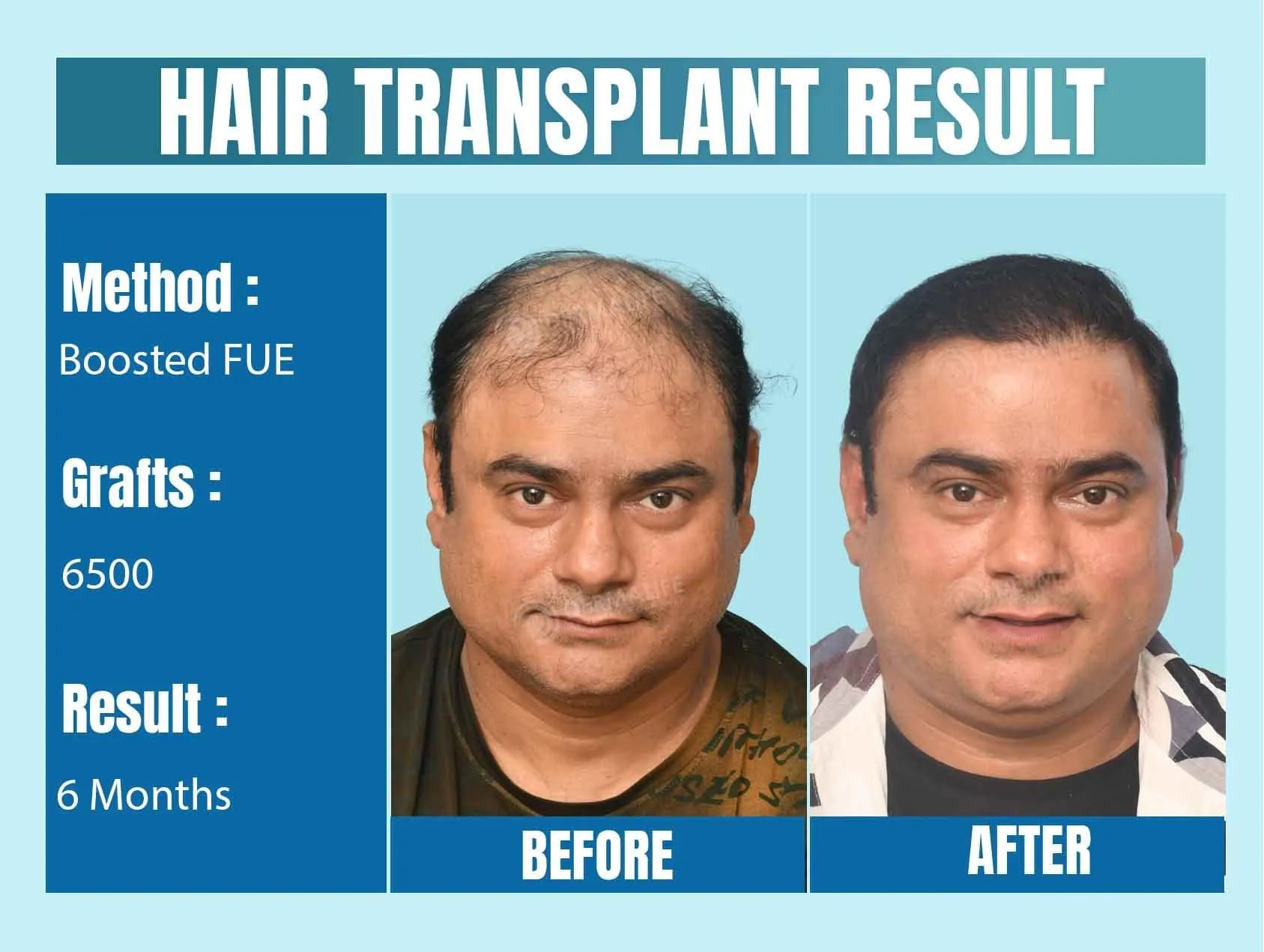
At Dermalife Skin & Hair Clinic in New Delhi, Dr. Gaurav Garg offers FUE-based hair transplantation, including the clinic’s Boosted FUE approach. The clinic also provides unshaven FUE, corrective hair restoration, and beard hair transplant procedures.
3. Treatment options for different hair concerns
Hair restoration is not limited to treating frontal baldness. Patients may seek treatment for crown thinning, receding hairlines, advanced pattern baldness, or unsatisfactory results from an earlier transplant.
India’s specialist clinics offer consultations for different types of hair loss and facial hair restoration. The suitability of surgery still needs to be established through individual medical assessment.
How Important Is the Hair Transplant Surgeon’s Experience?
The surgeon is one of the most important factors in determining the quality of a hair transplant experience.
A well-planned procedure requires an understanding of hairline design, graft distribution, donor-area limitations, hair growth direction, and the patient’s likely future hair loss.
Patients should ask whether the surgeon is directly involved in planning and performing the critical parts of the procedure. They should also review relevant case photographs and understand the limitations of the proposed treatment.
Dr. Gaurav Garg is the Director of Dermalife Skin & Hair Clinic, New Delhi. He completed his MBBS and MD in Dermatology and Venereology at Seth G. S. Medical College and KEM Hospital, Mumbai. His additional training includes hair transplant surgery in Israel, dermato-surgery at PGI Chandigarh, and advanced dermatology, dermato-surgery, and laser training at the National Skin Centre, Singapore.
He has also participated as a speaker and faculty member at professional dermatology and hair restoration meetings.
Understanding Hair Transplant Cost in India
The hair transplant cost in India varies according to the clinic, surgeon, procedure, number of grafts, and complexity of the case.
A patient requiring a small frontal hairline procedure may have different treatment requirements from someone with advanced baldness involving the crown and mid-scalp.
Before comparing prices, patients should understand what the estimate includes. They should ask about the graft count, surgeon’s involvement, surgical facilities, medication, and post-operative follow-up.
A low quotation should not automatically be considered the best value. The quality of assessment, donor-area management, and surgical planning are equally important considerations.
What About International Patients?
India is also considered by people who prefer to travel for medical treatment. Patients visiting from overseas should plan their consultation and surgery carefully.
Before travelling, they should share relevant medical information, photographs of the scalp, details of previous procedures, and their treatment expectations with the clinic. An in-person examination remains necessary before a final surgical decision.
They should also discuss the expected stay, recovery instructions, and follow-up arrangements. Hair transplant results develop gradually over several months, so communication with the treating clinic after returning home is important.
At Dermalife Skin & Hair Clinic in New Delhi, patients travelling from outside India can discuss their hair restoration requirements and treatment planning with the clinic before arranging their visit.
How to Choose a Reliable Hair Transplant Clinic in India
Choosing a clinic requires more than comparing online rankings or promotional claims. Patients should evaluate the following:
- Medical qualifications: Check the surgeon’s recognised medical qualifications and specialist training.
- Relevant experience: Ask about experience with cases similar to yours.
- Surgical involvement: Clarify who performs the key steps of the procedure.
- Donor management: Understand how the clinic plans extraction to protect the donor area.
- Documented results: Review genuine before-and-after photographs and ask about the timeline.
- Transparent pricing: Request a clear estimate with the proposed graft count and included services.
- Aftercare: Understand the clinic’s post-operative instructions and follow-up process.
Patients should be cautious about guaranteed growth percentages, claims of completely risk-free surgery, or rankings that cannot be independently verified.
Is India the Right Choice for Everyone?
India can be a suitable destination for hair transplant surgery, but the decision should be based on the individual clinic and surgeon rather than the country alone.
Patients should consider their medical suitability, travel requirements, ability to attend follow-up appointments, and access to post-operative support. Someone travelling internationally should also understand the practical implications of recovering away from home.
Final Thoughts
India offers access to trained medical professionals and a range of hair restoration services. However, a successful treatment decision depends on selecting a qualified surgeon, understanding the proposed technique, and receiving an individualised treatment plan.
For patients considering an unshaven FUE hair transplant in India, researching the clinic’s credentials and asking detailed questions before surgery is essential. The focus should always remain on patient safety, realistic expectations, and a natural-looking result rather than price or promotional rankings alone.
