
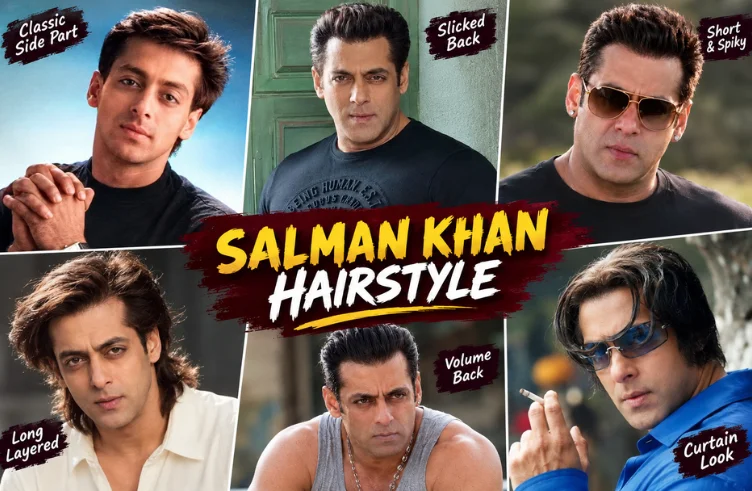
Bhai’s hair has defined decades. From the thick romantic curls of the 1990s to the clean modern fades of 2026, the Salman Khan hairstyle has inspired millions of fans across India to walk into barbershops with a film still in hand.
Quick Overview: Bhai’s Most Iconic Looks at a Glance
| Era / Film | Style Type | Key Feature |
|---|---|---|
| 1990s (Maine Pyar Kiya) | 90s Volume Cut | Thick, wavy, voluminous curls |
| Tere Naam (2003) | Long Flowing Locks | Shoulder-length straight hair |
| Mujhse Shaadi Karogi (2004) | Spiky Short Cut | Gelled spikes, youthful energy |
| Ready (2011) | Textured Crop | Short fade with side part |
| Sultan (2016) | Rugged Medium Cut | Natural, unstructured medium length |
| Radhe / Tiger 3 (2020s) | Clean Fade | Low fade, very short on top |
| Back-view (all eras) | Tapered Neckline | Clean gradient, rounded finish |
Why Bhai’s Hair Has Always Been a National Conversation
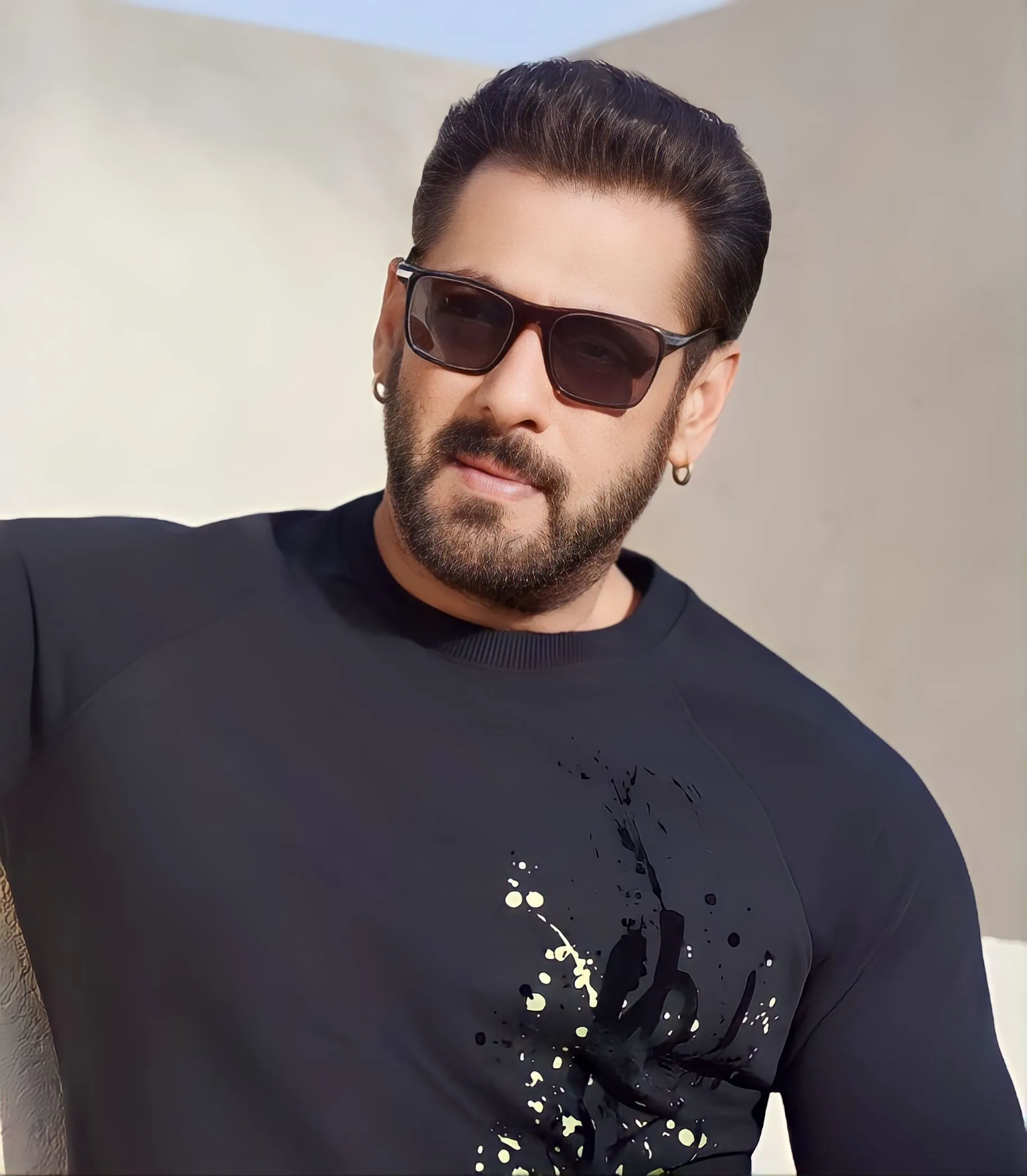
There is something deeply powerful about the way Salman Khan carries his hair. Every new film, every red carpet appearance, every magazine cover sparks a fresh wave of barbershop requests across the country.
Unlike most actors who find one safe look and stick to it, Salman has genuinely experimented across decades. He has worn flowing shoulder-length locks, razor-short fades, gelled spikes, rugged medium crops, and everything in between. Each transformation matched his character perfectly and became a cultural moment in its own right.
This guide breaks down every major look, era by era, so you can find the right style for your face shape, hair type, and lifestyle.
The 90s Era: Volume, Curls, and Classic Charm
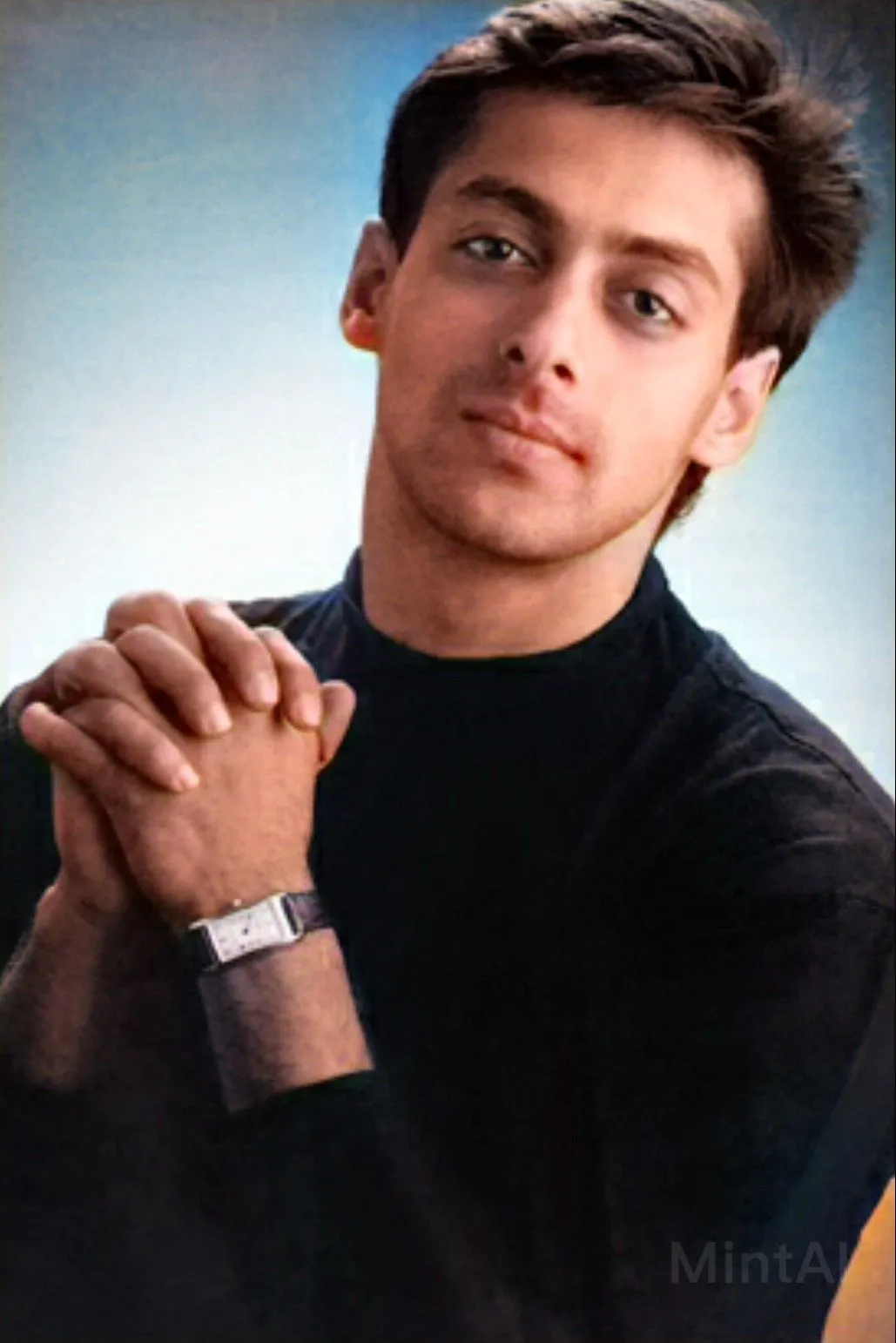
The 1990s were Salman’s most prolific decade as a style icon, and his hair played a huge role in building that image. Films like Maine Pyar Kiya (1989), Saajan (1991), Hum Aapke Hain Koun (1994), and Judwaa (1997) each featured slightly different takes on the same core theme: full, voluminous, naturally wavy hair.
This was the original Salman Khan hairstyle that made India take notice. Young men across the country were walking into salons with a poster of Salman and asking their barbers to recreate the magic.
What Made the 90s Look So Special?
- Volume on top: Thick, full hair sitting high on the crown with natural lift
- Natural wave: No harsh straightening or flattening, just the hair’s natural movement
- Minimal product: A light mousse or gel to hold shape without making it stiff
- Medium length overall: Long enough to have personality, short enough to look sharp
This old-school look is now considered a nostalgic classic. Many barbers from that generation recall customers bringing in photographs of Salman specifically. It was perhaps the first time a Bollywood actor’s hair became a true mass trend across small towns and big cities alike.
How to Recreate This Look in 2026
- Grow the top to 3 to 4 inches while keeping the sides trimmed
- Wash and apply a volumising mousse while hair is damp
- Blow-dry upward and backward to build natural lift
- Use minimal gel only on the edges to keep things tidy
- Avoid over-brushing, which kills the natural volume
Tere Naam (2003): The Look That Changed Everything
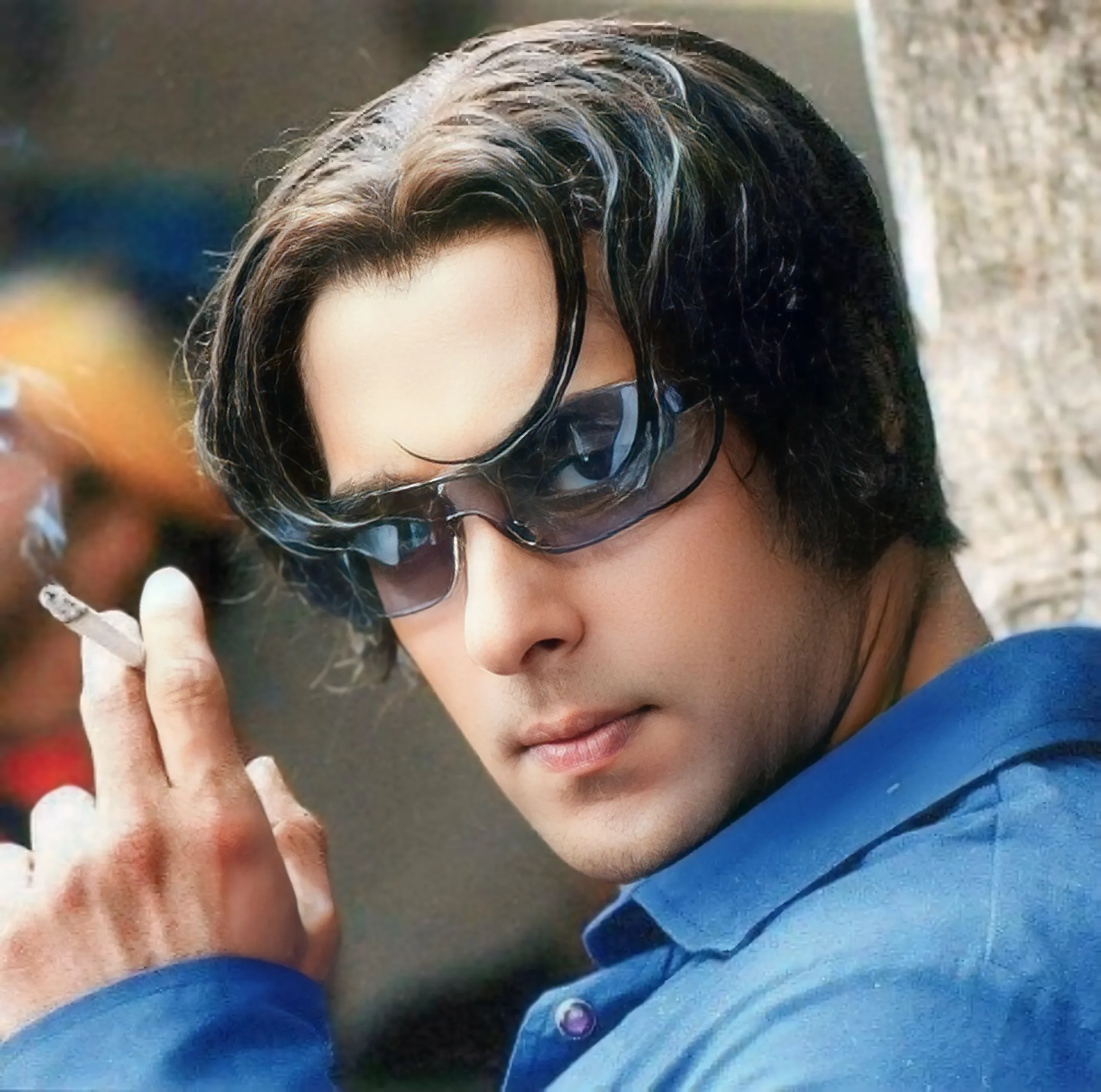
If one style defined a generation, it was the look from Tere Naam. Released in August 2003, the film became a massive hit, and within weeks, salons across India were flooded with requests for “Radhe ka hairstyle.”
The Tere Naam Salman Khan hairstyle featured shoulder-length straight hair that fell naturally around the face with a slight centre or side part. It was raw, emotional, and deeply romantic. It perfectly matched the character of Radhe, the brooding, passionate protagonist of the film.
Why This Look Went Viral Before Viral Was Even a Word
The genius of this style was its accessibility. Unlike many celebrity looks that require salon visits every two weeks, the long hair Salman Khan hairstyle from this film just needed patience and basic maintenance. Once grown to the right length, it practically styled itself.
It worked especially well because:
- It gave a rough, rebellious, deeply romantic quality
- Men with straight to wavy hair could achieve it without professional help
- It paired beautifully with both ethnic wear like kurtas and casual denim
- It suited a wide range of face shapes, particularly heart and oval
Key Details of the Tere Naam Look
| Feature | Details |
|---|---|
| Length | Shoulder-length, approximately 10 to 12 inches |
| Texture | Straight to slightly wavy, natural fall |
| Parting | Centre or slight side part, no sharp line |
| Product | Light serum or leave-in conditioner only |
| Upkeep | Trim every 2 months to maintain the shape |
More than two decades after release, this remains the most Googled and most recreated celebrity hair look in Indian barbering history. Barbers in smaller cities still get this request regularly, and they know exactly what it means.
Mujhse Shaadi Karogi (2004): Short, Spiky, and Fun
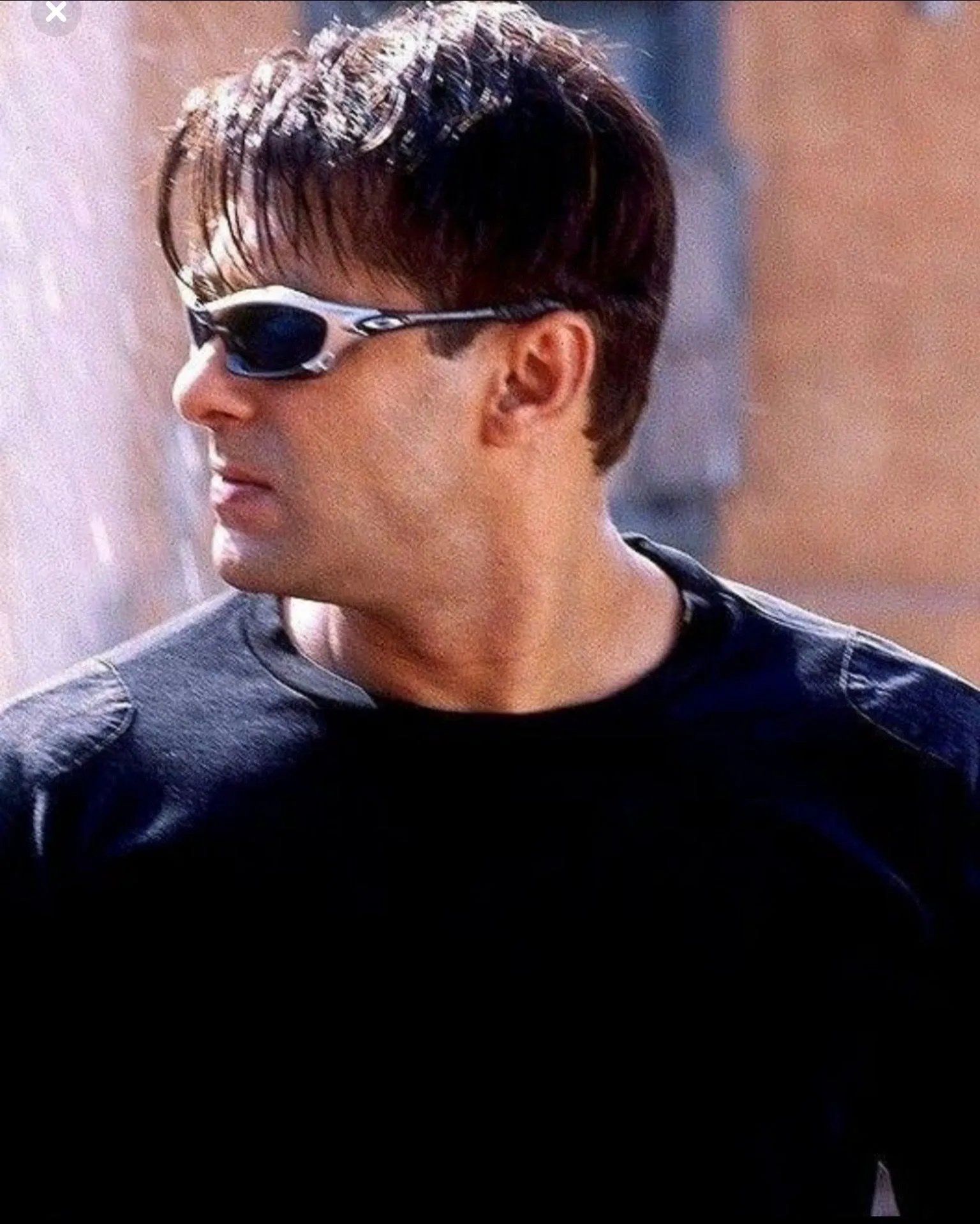
Just one year after the brooding long locks of Tere Naam, Salman came back with the exact opposite energy in Mujhse Shaadi Karogi. The Mujhse Shaadi Karogi Salman Khan hairstyle was short, spiky, gelled, and full of youthful playfulness.
This transformation showed his range beautifully. From deep romance to light comedy, and the hair told the story before a single line of dialogue was spoken.
Style Breakdown
- Short sides with 2 to 3 inches on top
- Top hair spiked upward using strong-hold gel
- Paired with clean shave or very light stubble
- High energy, youthful, and very much of the mid-2000s moment
This was also in sync with global trends of the time, when spiky hair was popular among young men internationally. In India, it translated perfectly and gave a fresh, modern contrast to Salman’s earlier romantic looks.
Ready (2011): The Clean, Commercial Hero Cut
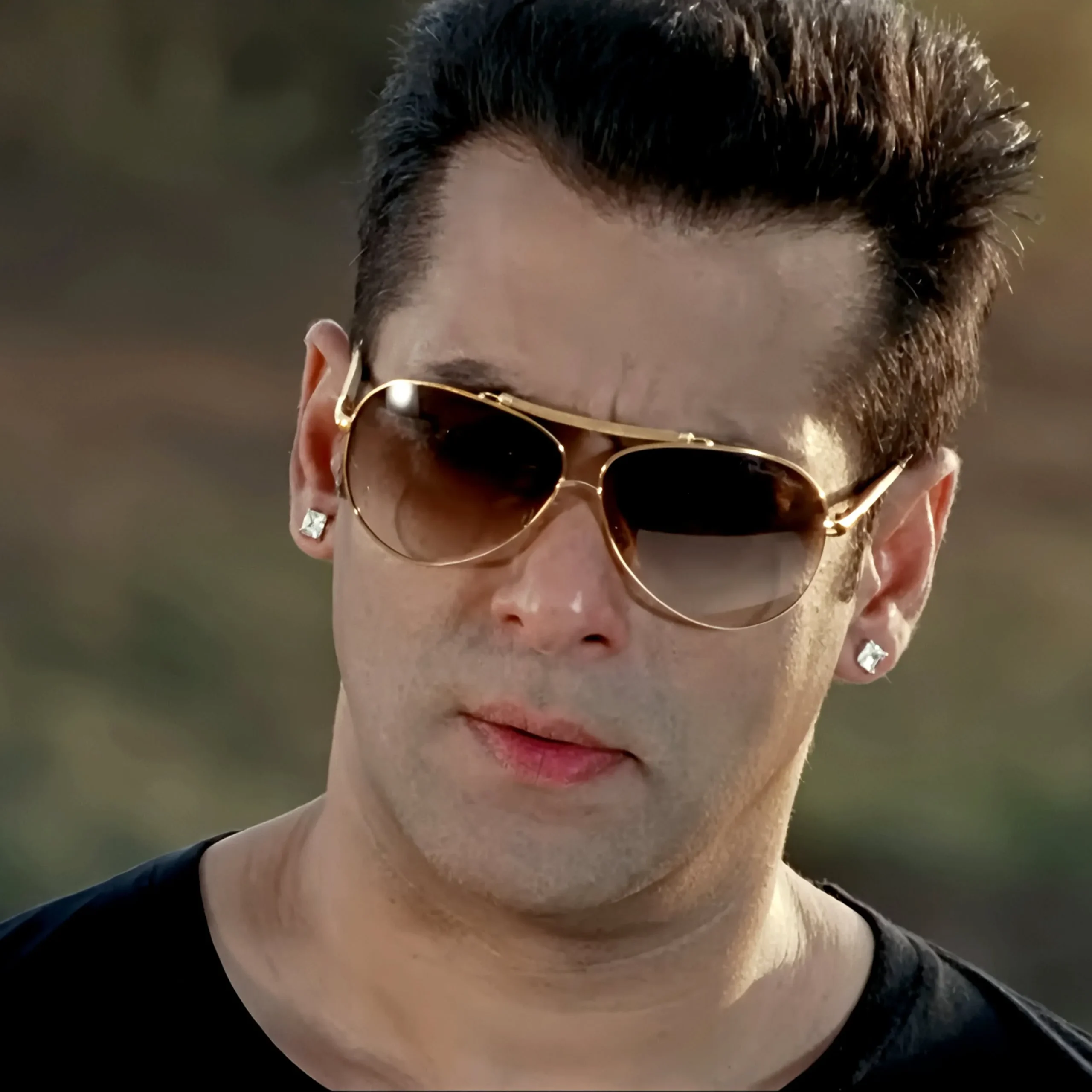
By 2011, Salman Khan had firmly established himself as India’s biggest mass entertainer, and the look from Ready reflected exactly that status. The Ready Salman Khan hairstyle was sharp, clean, textured, and effortlessly cool.
The style featured a low fade or taper on the sides with about 2 to 3 inches of textured hair on top, finished with a subtle natural side part. It was styled using a medium-hold pomade or wax, giving it structure without making it look stiff.
What made this cut particularly popular was its versatility. It worked for college students, working professionals, and casual outings with equal ease.
What Defines This Look?
- Low fade or taper on the sides and back
- Textured top with 2 to 3 inches of length
- Natural side part, not a sharp or defined line
- Medium-hold pomade or wax for finish
- Clean, contemporary, low-maintenance
The small Ready Salman Khan hairstyle variation that many fans ask for is essentially the same cut but with the top kept slightly shorter at 1 to 1.5 inches. This version is even more practical for everyday wear and grows out very cleanly between visits.
Both versions of this look remain popular in 2026, particularly among men who want a style that works in the office and on weekends without needing to change anything.
Sultan (2016): Raw, Rugged, and Deeply Masculine
For Sultan, Salman went through one of his most complete physical transformations, and the hair was a key part of the character. The Sultan movie Salman Khan hairstyle was medium length, naturally unstructured, and carried a raw, earthy quality that fit a Haryana wrestler perfectly.
Unlike the sharp commercial cuts of Ready or the polished romance of Tere Naam, this look was deliberately imperfect. It had the quality of hair that someone actually lived in rather than carefully styled every morning.
How the Hair Changed Through the Film
| Film Phase | Hair Length | Style Quality |
|---|---|---|
| Opening sequence | Medium, above shoulder | Loose, slightly wavy, unkempt |
| Wrestling training | Short, cropped | Practical, minimal |
| Competition phase | Groomed medium | Structured but natural |
The appeal of this look is its authenticity. It does not try too hard, and that is exactly what made it resonate. Men who wanted to look masculine and grounded without appearing overly groomed were drawn to this style strongly.
2020s Era: Clean Fades and Modern Minimalism
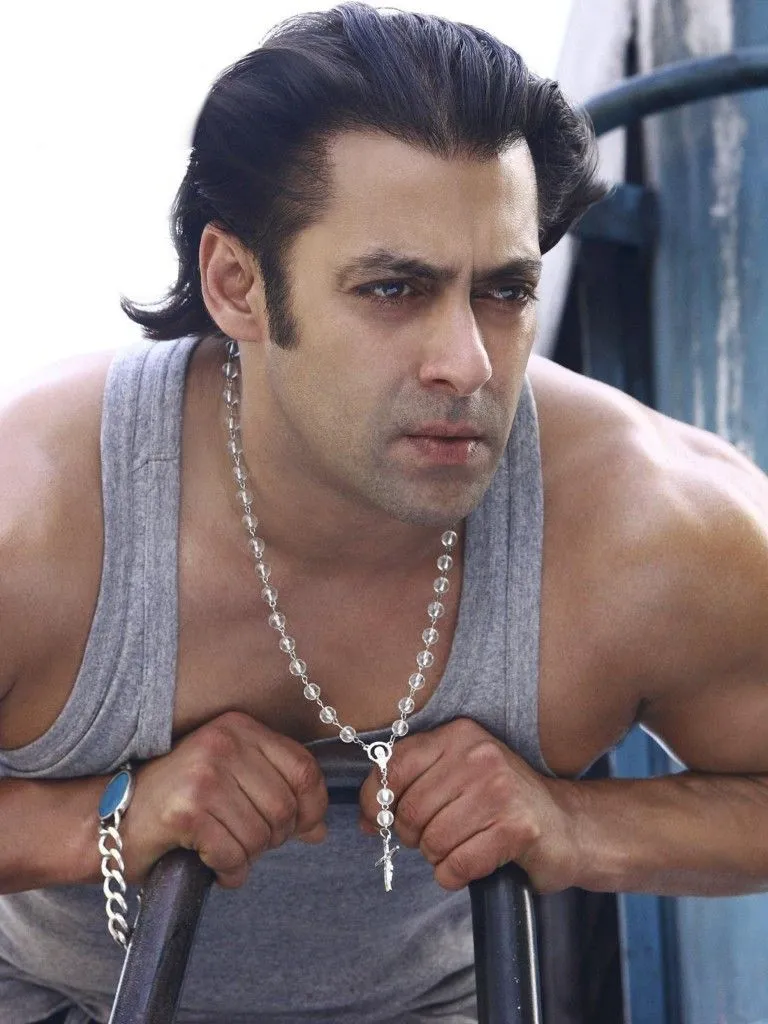
As Salman moved through the 2020s with films like Radhe (2021), Antim (2021), and Tiger 3 (2023), his personal style evolved toward cleaner, sharper, and more minimal cuts.
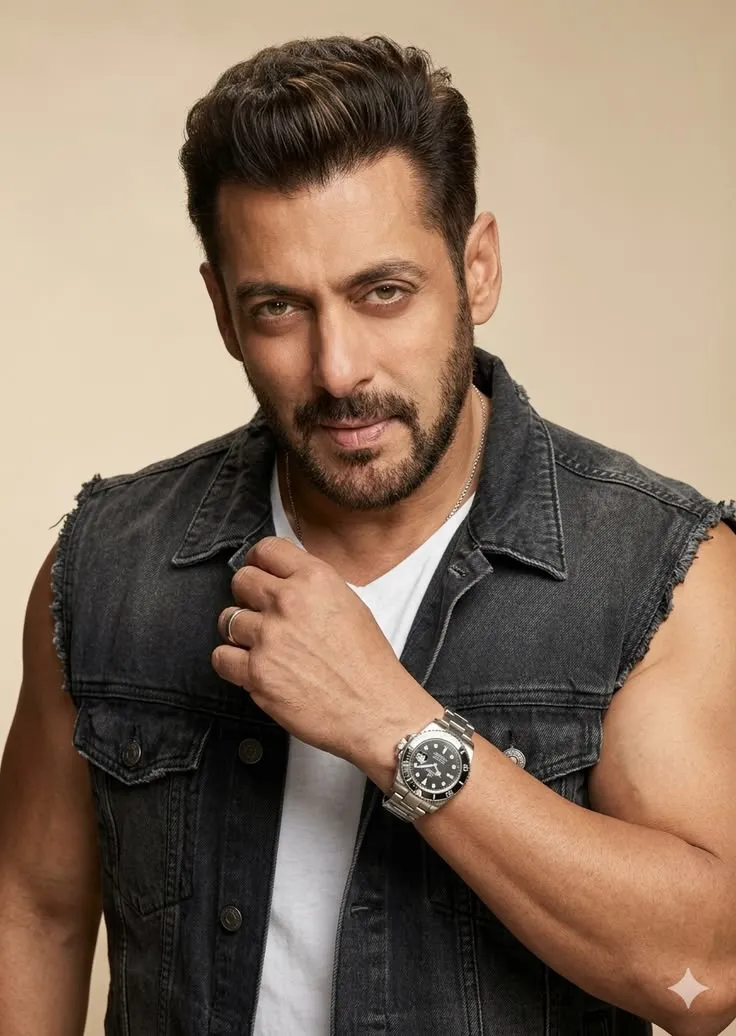
The short hair Salman Khan hairstyle of this era is defined by low to mid fades on the sides, very short length on top (1 to 2 inches), clean lines around the ears, and a well-defined but natural neckline. In some appearances, it approaches a light buzz cut with just enough texture to avoid looking completely cropped.
This is his most contemporary look and works across all face shapes. It is also extremely low-maintenance, which suits a busy lifestyle perfectly.
Why the Short Modern Cut Works So Well
- Requires visits to the barber only every 3 to 4 weeks
- Works for all settings from casual to formal
- Suits most Indian hair types including thick and slightly coarse hair
- Draws attention to the face rather than the hair itself
- Ages very gracefully as it grows out
Salman Khan Hairstyle Back Side: The Detail Most People Miss
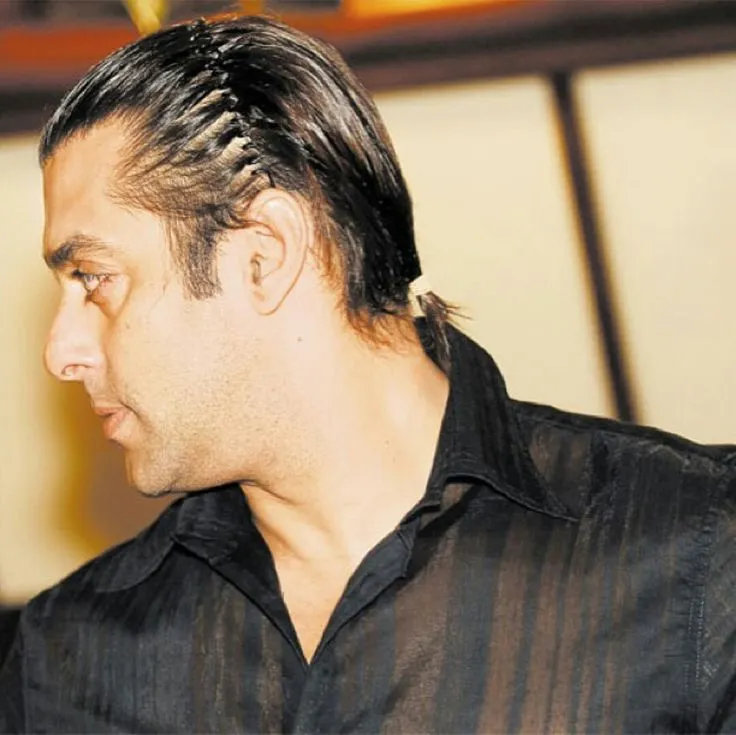
Most guides focus entirely on the front and sides, but the back view is equally important. A haircut that looks great from the front but untidy from behind is not a complete look.
Across all his major film appearances, the back of Bhai’s hair has been consistently well-finished. Here is what to look for and ask for:
Key Elements of a Great Back Finish
- Clean taper: A smooth gradient from longer hair on top down to short at the neckline, with no harsh jumps or uneven lines
- Rounded neckline: A natural curve at the base of the neck rather than a hard straight block. This grows out more gracefully and looks cleaner for longer
- No bulk at the crown: The back should lie flat and blend smoothly into the sides
- Texture consistency: The back should have the same texture quality as the front, showing that the cut was approached as a whole rather than as separate sections
When you visit your barber, specifically mention that you want a tapered neckline with a rounded finish and no block line. This single instruction makes a significant difference to how the overall cut looks and how long it stays looking fresh.
What to Tell Your Barber: A Complete Style Name Guide
Many people love a particular look but struggle to describe it when they sit down in the barber’s chair. Here is a straightforward reference:
| Film / Era | Style Name to Use | Technical Description |
|---|---|---|
| 90s films | Classic Volume Cut | Medium length with natural wave and volumised top |
| Tere Naam | Romantic Long Layers | Shoulder-length straight hair with natural centre part |
| Mujhse Shaadi Karogi | Spiky Textured Short | Short crop with gel-spiked top |
| Ready | Textured Side Part Crop | Low taper with textured top and subtle side part |
| Sultan | Rugged Natural Medium | Unstructured medium length with natural fall |
| 2020s look | Modern Low Fade | Low skin fade with short textured top |
Showing your barber a reference photo alongside one of these descriptions gives them everything they need to deliver the exact result you want.
Old vs New: How His Style Has Evolved Over 35 Years
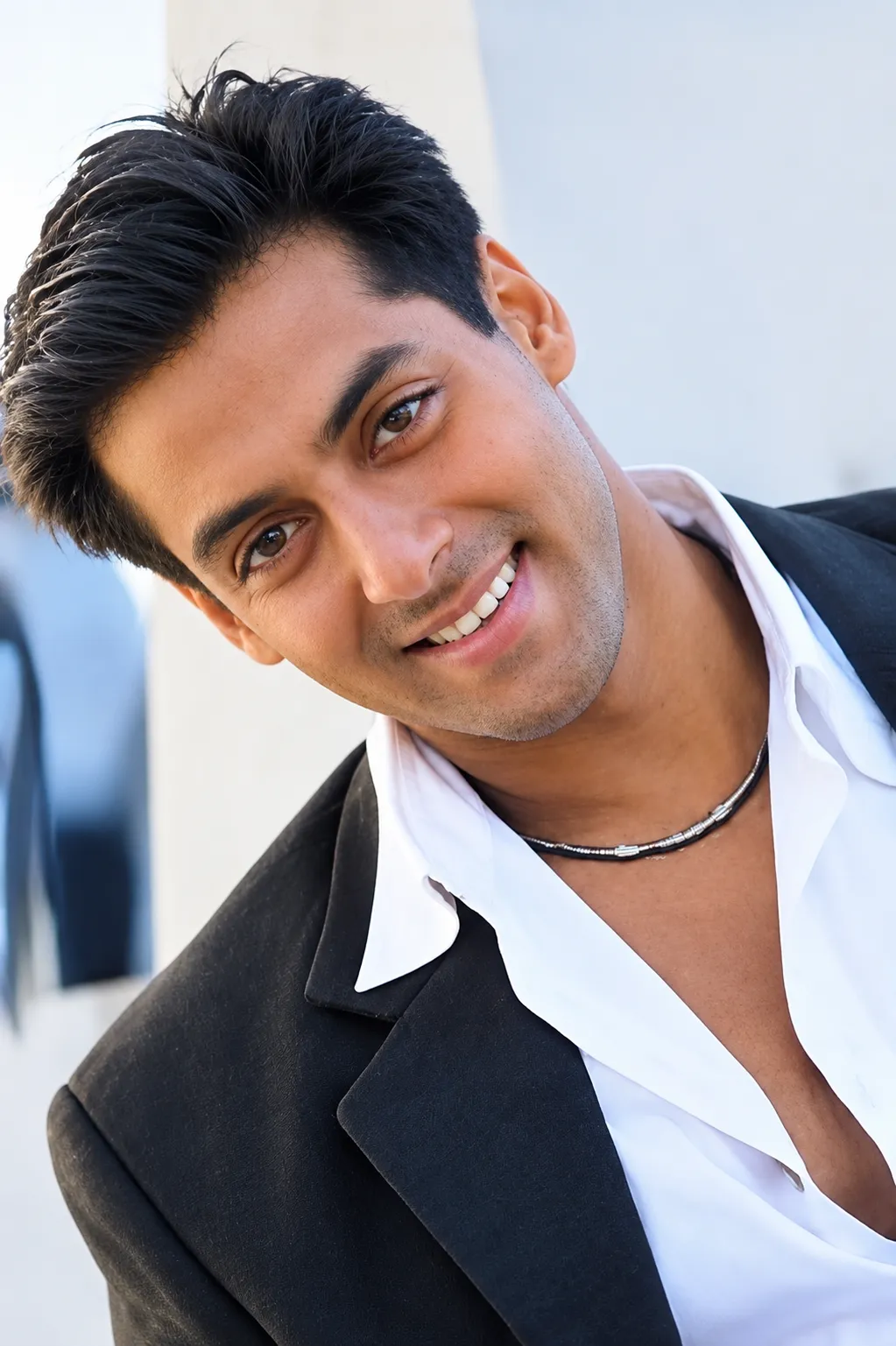
| Feature | Earlier Era (90s to 2000s) | Current Style (2020s) |
|---|---|---|
| Length | Medium to long | Short to very short |
| Texture | Wavy, voluminous, expressive | Clean, tight, structured |
| Product | Light mousse or gel | Pomade, wax, or nothing |
| Maintenance frequency | Every 5 to 8 weeks | Every 3 to 4 weeks |
| Overall feel | Romantic and expressive | Sharp and contemporary |
| Best face shapes | Oval, round, heart | Works for all shapes |
The earlier looks carry more personality and emotional weight. The newer cuts are sharper and more refined. Neither is better; they simply suit different personalities and lifestyles.
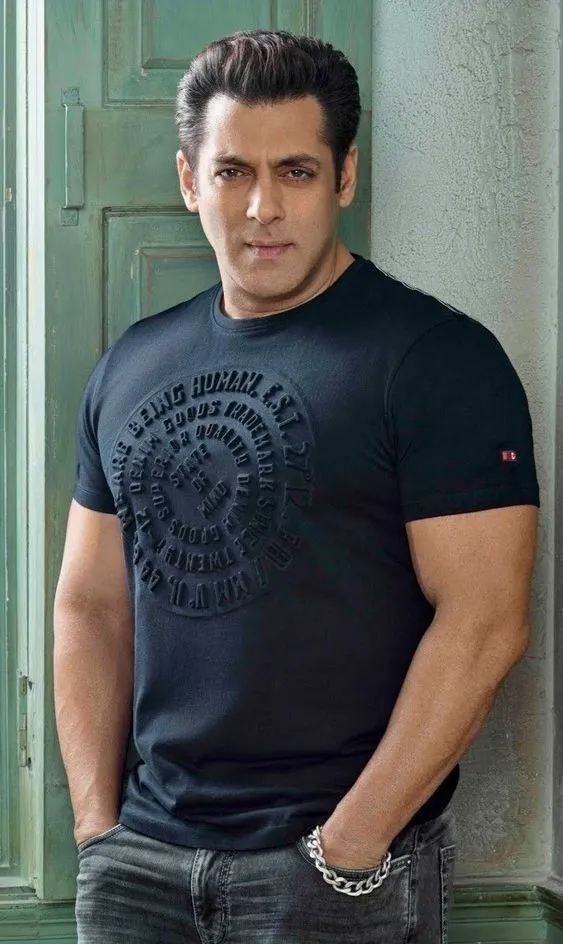
Which Look Suits Your Face Shape?
| Face Shape | Best Style to Try |
|---|---|
| Oval | Any era works, including the full 90s volume look |
| Round | Short modern fade (adds perceived length to the face) |
| Square | Ready or Sultan style (softens the sharp jaw line) |
| Heart | Long hair Tere Naam look (balances a narrow chin) |
| Diamond | Tere Naam or Ready style (balances wide cheekbones) |
| Oblong | 90s volume cut (adds width and balances length) |
Maintenance Tips for Any Bhai-Inspired Look
Regardless of which era you draw inspiration from, keeping the cut looking good between barber visits comes down to a few simple habits:
- Trim regularly: Every 3 to 6 weeks for short cuts, every 6 to 8 weeks for longer styles
- Use sulphate-free shampoo: Gentle cleansing preserves natural oils and keeps hair healthy
- Condition consistently: Especially important if growing hair for a longer look like Tere Naam
- Apply product to damp hair: Better distribution and more natural finish than applying to dry hair
- Use the right tool: Wide-tooth comb for longer styles, soft brush or fine comb for short cuts
- Protect from heat damage: If you use a blow dryer, use a heat protectant spray first
- Keep the scalp clean: Dandruff is far more visible in short, close-cropped styles
Conclusion
Few actors in Indian cinema history have used hair as expressively or as effectively as Salman Khan. Each major look has been a statement, not just a style choice.
The Salman Khan hairstyle journey across 35 years gives fans and style enthusiasts an incredible range to draw from. Whether you want the deeply romantic flowing locks of Tere Naam, the clean practicality of the Ready crop, the raw authenticity of the Sultan medium cut, or the sharp minimalism of his current look, there is something here for every face shape, hair type, and personality.
Read More:
- Shahid Kapoor Hairstyle
- Dhanush Hairstyle
- Thor Hairstyle
- Surya Hairstyle
- Tere Naam Hairstyle
- Shreyas Iyer Hairstyle
- Allu Arjun Hairstyle
- Ronaldo Hairstyle
- Shah Rukh Khan Hairstyle
- MS Dhoni Hairstyle
Frequently Asked Questions
Q1. Which is the most iconic Salman Khan hairstyle of all time?
The look from Tere Naam (2003) is widely considered his most iconic and most recreated style. The shoulder-length flowing locks became a national trend almost overnight and barbers across India still get this request today.
Q2. What is the Tere Naam hairstyle called in professional barbering terms?
It is typically called “Romantic Long Layers” or a “centre-parted shoulder-length cut.” It involves straight to mildly wavy hair grown to about 10 to 12 inches with a natural centre or slight side part and minimal product.
Q3. How do I get the Ready film look?
Ask your barber for a low taper or fade on the sides with 2 to 3 inches of textured hair on top and a subtle natural side part. Finish with a medium-hold pomade or wax. It is one of the most versatile and low-maintenance options from his filmography.
Q4. What does the back of his hair typically look like?
Across most of his looks, the back features a clean taper with a rounded neckline rather than a hard block finish. This grows out more naturally and stays looking tidy for longer between barber visits.
Q5. What is the Sultan look and how do I recreate it?
The Sultan look is a rugged, medium-length cut that is intentionally unstructured. It sits above the shoulders and is styled with minimal product for a natural, lived-in quality. Ask your barber for a medium-length cut with a natural fall and no defined shape or sleekness.
Q6. Can men with curly hair achieve the Tere Naam look?
Yes, but it requires effort. The original look works with straight to mildly wavy hair. For curly hair, a keratin treatment or regular straightening with a serum and blow-dryer can get you close. A visit to a professional stylist is recommended for the first attempt.
Explore more fun blogs at Trysimpledesign
