
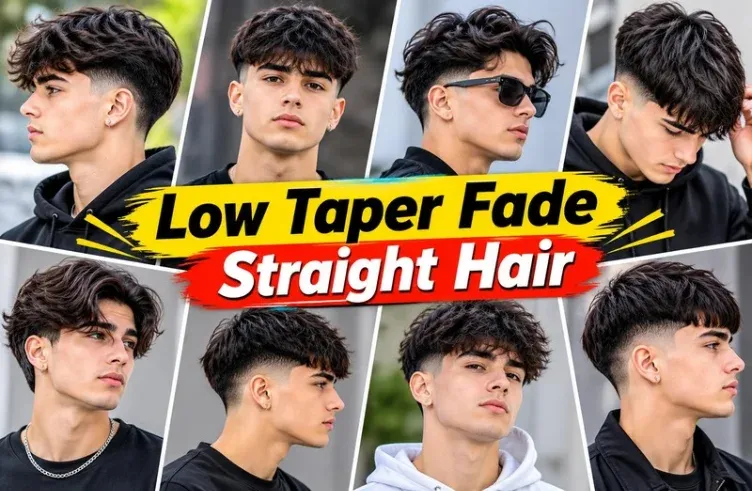
Getting the perfect haircut isn’t always easy, especially when you want something stylish without spending hours fixing your hair every morning. That’s where the low taper fade straight hair cut comes in. With its clean sides, smooth fade, and versatile top, it offers a sharp, modern look that works for school, casual outings, and everyday wear.
Whether you prefer a textured crop, French crop, or classic blowout, there are plenty of ways to make this haircut your own. The key is choosing a style that suits your face shape, hair length, and personal taste. Let’s explore some of the best looks, along with simple barber tips and styling advice to help you find your perfect cut.
Quick Stats : Low Taper Fade Straight Hair
| Feature | Details |
|---|---|
| Cut Name | Low Taper Fade (Straight Hair) |
| Best Hair Type | Straight (fine, medium, or thick) |
| Fade Height | Low — near ears and neckline |
| Top Length Options | Short (1–2″), Medium (2–4″), Long (4″+) |
| Face Shapes | Oval, Round, Square, Long |
| Barber Visit Frequency | Every 3–4 weeks |
| Morning Styling Time | 5–10 minutes |
| Difficulty to Maintain | Low to Moderate |
| Trending Since | 2023 (peaking in 2025–2026) |
| Best Product Type | Matte Clay, Texture Powder, Sea Salt Spray |
Disclaimer: This article is for informational purposes only. Hairstyle results may vary based on hair type, face shape, and barber expertise. Consult a professional barber for personalized advice.
What Exactly Is a Low Taper Fade on Straight Hair?
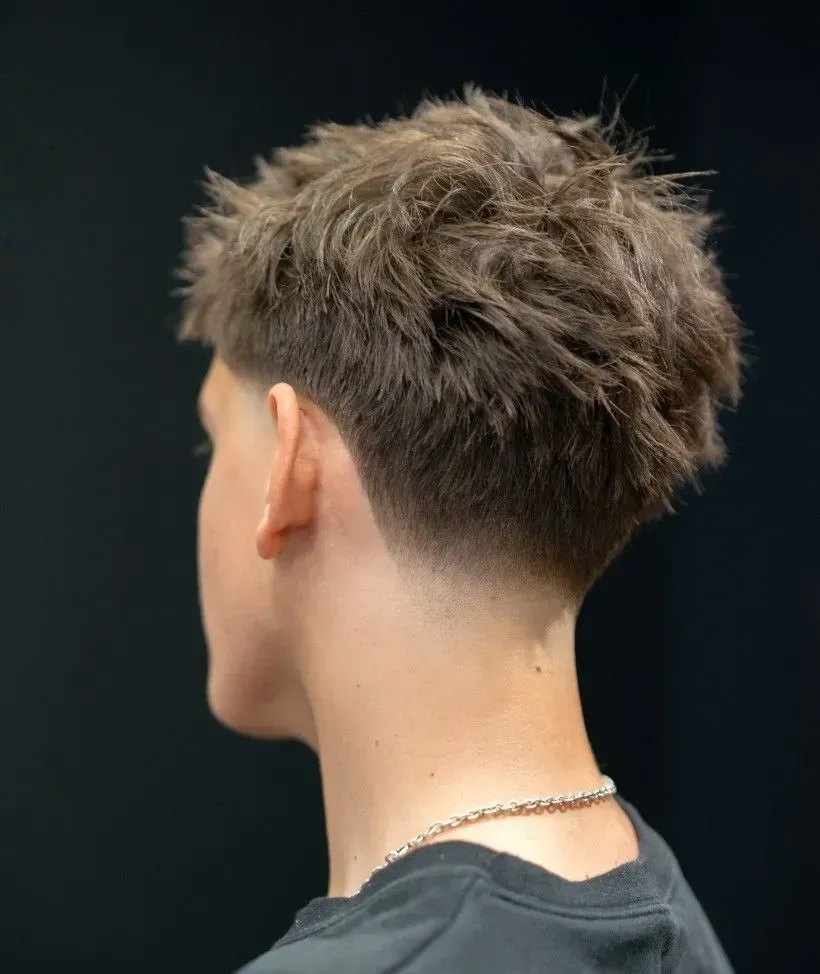
Before we dive into the style gallery (yes, there’s a style gallery hang tight), let’s make sure we’re all speaking the same language.
A low taper fade straight hair cut is a clipper technique where the sides and back of the head are gradually shortened as they move downward fading out near the ears and neckline. The “low” is the magic word here. Unlike a mid or high fade, the blending action stays close to the bottom of the head, so your sides remain fuller through the middle while only the lower portion fades into shorter lengths.
The result? Clean, crisp, controlled and on straight hair specifically? Absolutely stunning.
Here’s why straight hair and the low taper were basically made for each other: straight strands lie flat and uniform, so every length transition in the blend becomes crystal clear. No curls softening the gradient, no waves breaking up the line. Just a smooth, visible fade that reads sharply from every angle. It’s the haircut equivalent of wearing a well-fitted suit effortlessly polished without screaming “I tried too hard.”
As one professional barber explained in a widely shared grooming guide: the precision of a low taper on straight hair is unmatched the uniformity of the strands actually amplifies how clean the technique is, which means great barber work looks even greater, and sloppy work has nowhere to hide. (Translation: find yourself a good barber. It matters.)
Low Taper vs. Low Fade vs. Plain Taper — What’s the Difference?
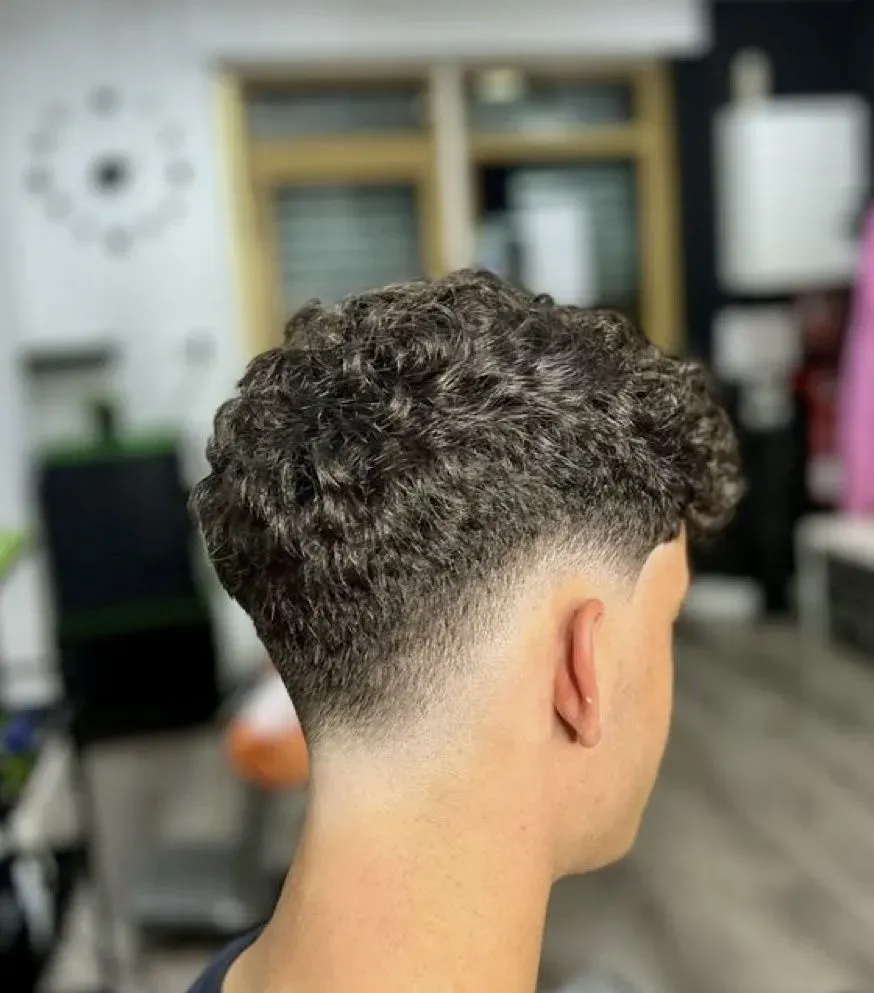
If your eyes glazed over at “low taper fade,” don’t worry. These terms get mixed up constantly, even inside barbershops. Here’s the no-nonsense breakdown:
| Term | What It Means | Vibe |
|---|---|---|
| Taper | Hair gets shorter toward the neckline and ears, but doesn’t necessarily fade to skin | Conservative, classic |
| Low Fade | Blends to skin, starts slightly higher up the side, bolder contrast | Sharp, edgy |
| Low Taper Fade | Combines both — gradual shortening with a clean fade near the ears/neckline | Balanced, versatile |
For 2026, the trend has firmly swung toward softer, more blended fades rather than aggressive high-contrast looks. The low taper fade straight hair sits right in that sweet spot refined without being boring, clean without being severe.
10 Best Low Taper Fade Straight Hair Styles
This is where things get fun. The low taper fade straight hair cut isn’t a one-size-fits-all look it’s more like a base layer you can remix endlessly. Here are the top 10 styles making waves in 2026.
1. The Classic / Natural Top
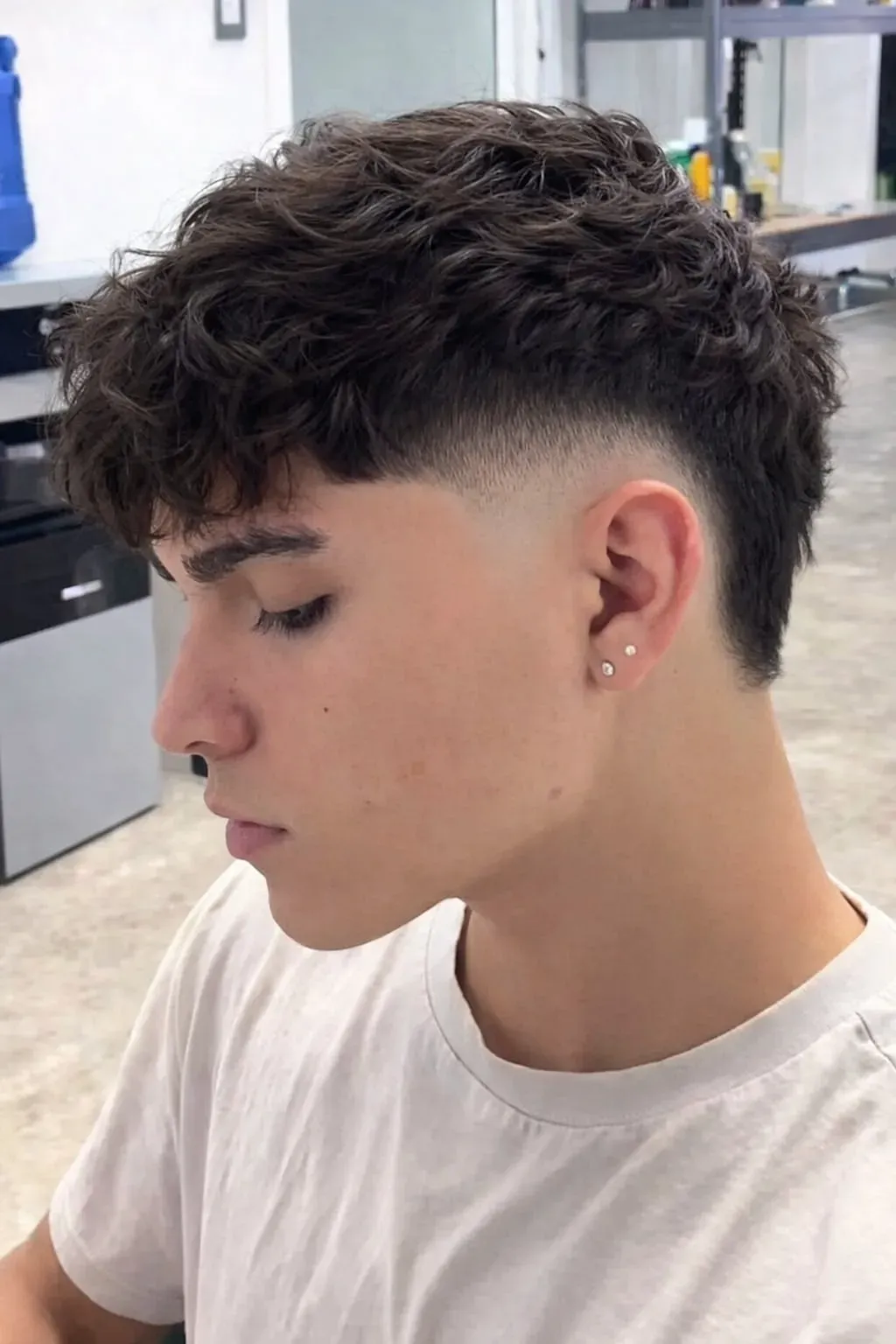
The OG. The sides are faded low, the top is left natural with minimal product, and the whole thing just works. Zero drama, maximum cleanliness. This is your Monday-morning-to-Friday-meeting haircut. The classic low taper fade straight hair style is the go-to for anyone who wants something tidy that holds up all week without babysitting. Perfect for offices, schools, formal events, and literally everything else.
Best for: Every face shape, every lifestyle, every occasion.
2. Textured Crop Low Taper Fade Straight Hair
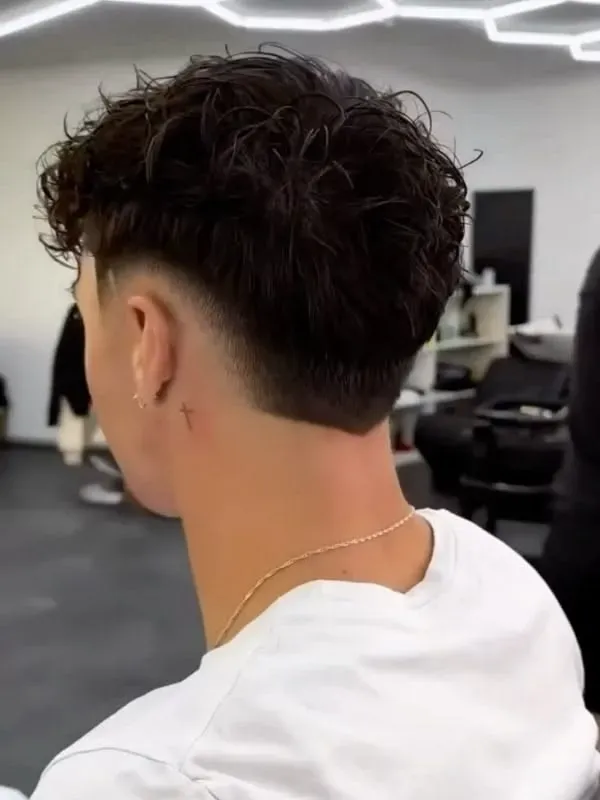
One of the most requested looks right now and for good reason. The textured crop low taper fade straight hair keeps the top short but adds deliberate choppiness and movement using a matte clay or paste. The result sits somewhere between polished and “yeah, I definitely didn’t spend 45 minutes on this” (even if you kind of did). It’s the haircut that makes you look like you have your life together without being boring about it.
Best for: Oval, round, and diamond face shapes.
3. French Crop Low Taper Fade Straight Hair
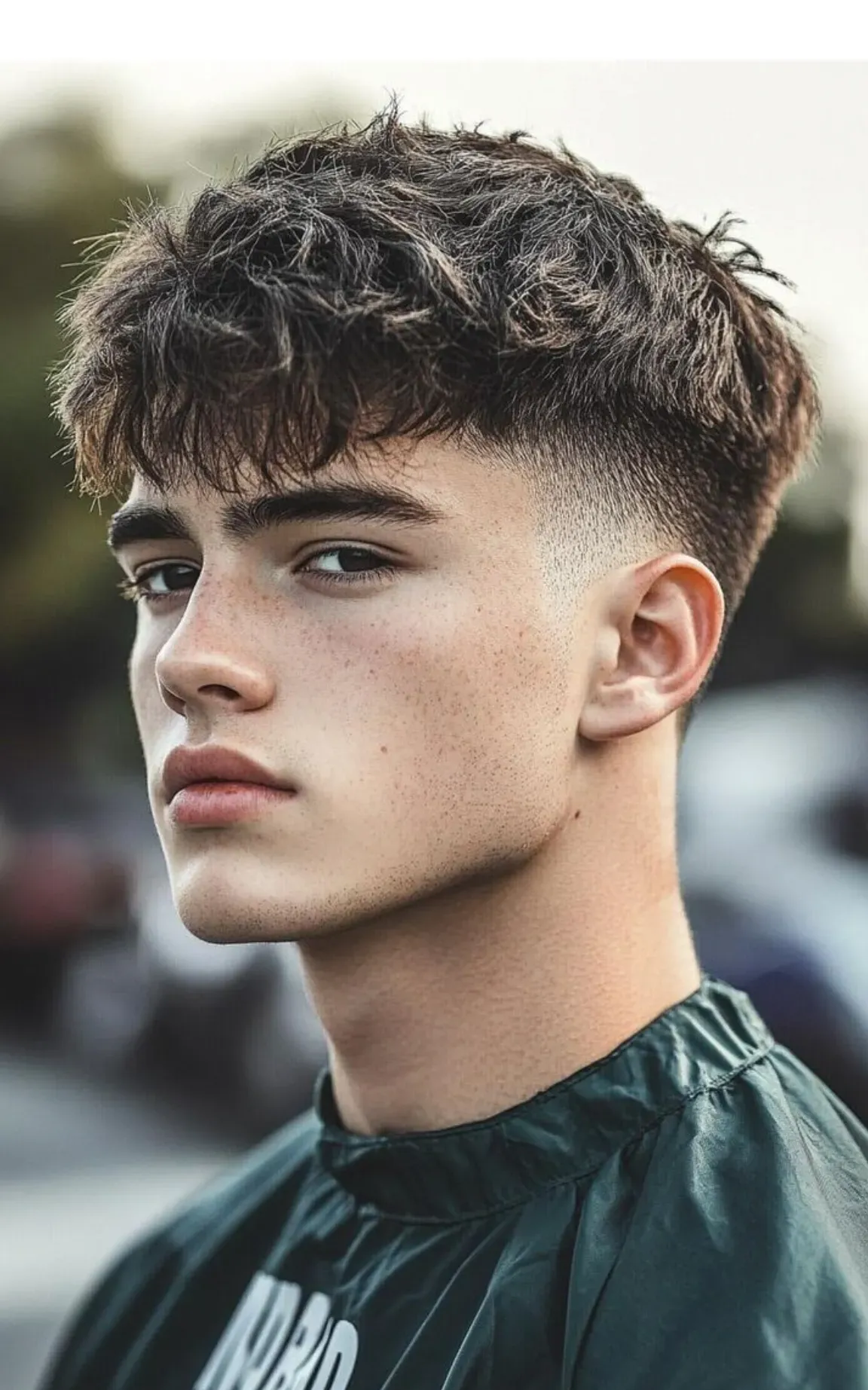
The French crop low taper fade straight hair is the textured crop’s slightly edgier sibling. Think short, choppy fringe pushed forward over the forehead, clean taper keeping the sides sharp. It’s bold without being dramatic, modern without being try-hard. If the classic crop is a business casual outfit, the French crop is the same outfit with a slightly cooler jacket.
Best for: Square and round face shapes; great for men who want structure.
4. Side Part
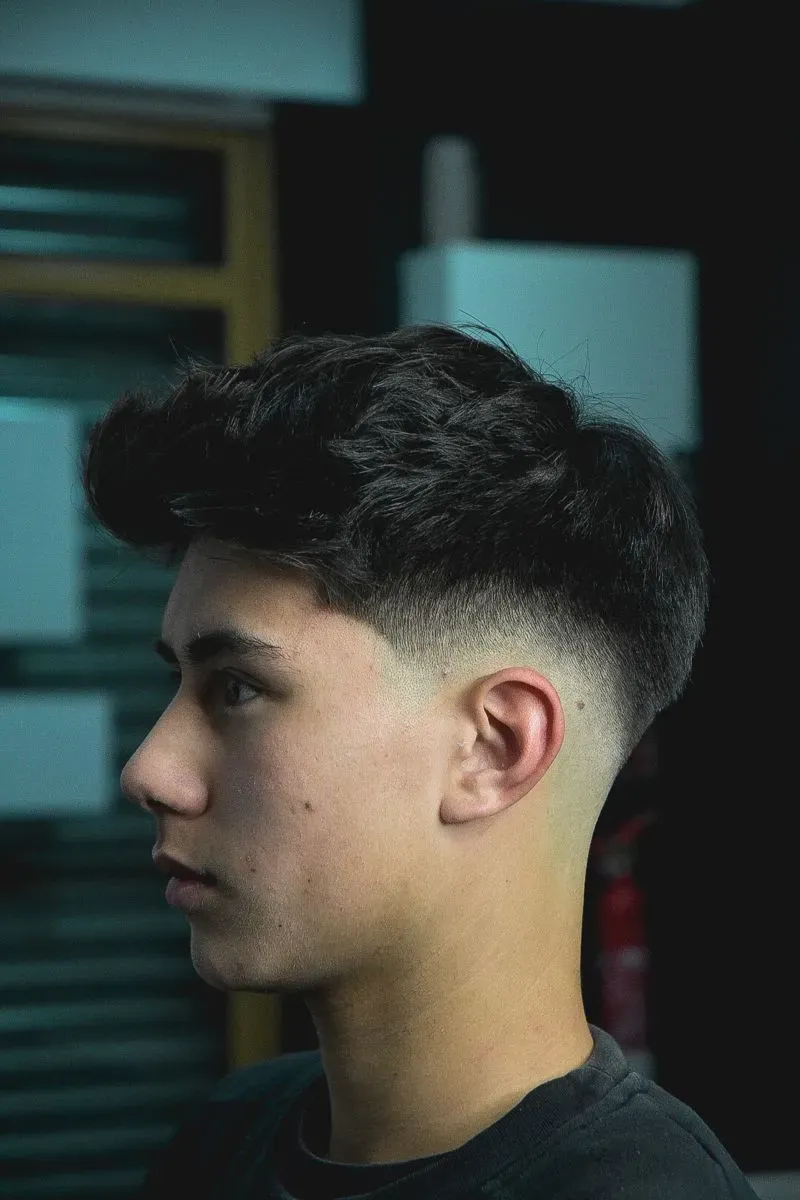
Old money meets modern barbershop. The side part on a low taper fade straight hair male setup is devastating in the best possible way especially in professional settings. Straight hair makes the part crisp and effortless, and the low fade keeps it from looking stuffy. Add a light pomade and you’re essentially ready for anything from a board meeting to a first date.
Best for: Square and oval face shapes; professional environments.
5. Middle Part
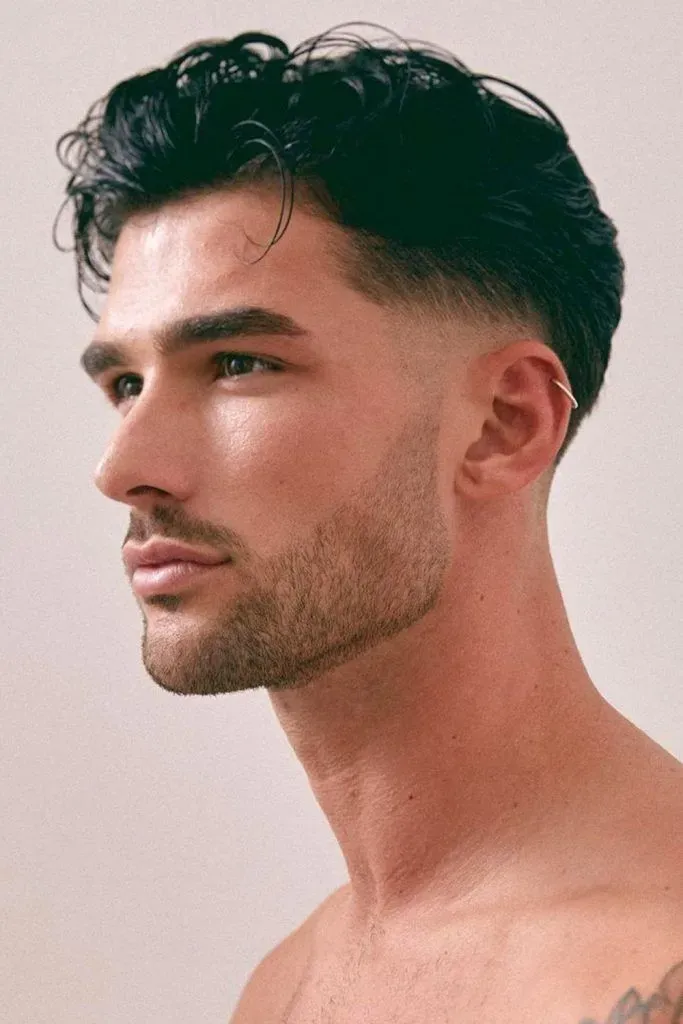
The comeback kid of 2024–2025 is still going strong. The middle part on a long low taper fade straight hair setup grown out to medium length, split down the center, falling loosely on either side has become a modern icon. It’s relaxed, slightly fashion-forward, and weirdly flattering on more face shapes than you’d expect.
Best for: Oval and heart-shaped faces; creative and casual settings.
6. Blowout Low Taper Fade Straight Hair
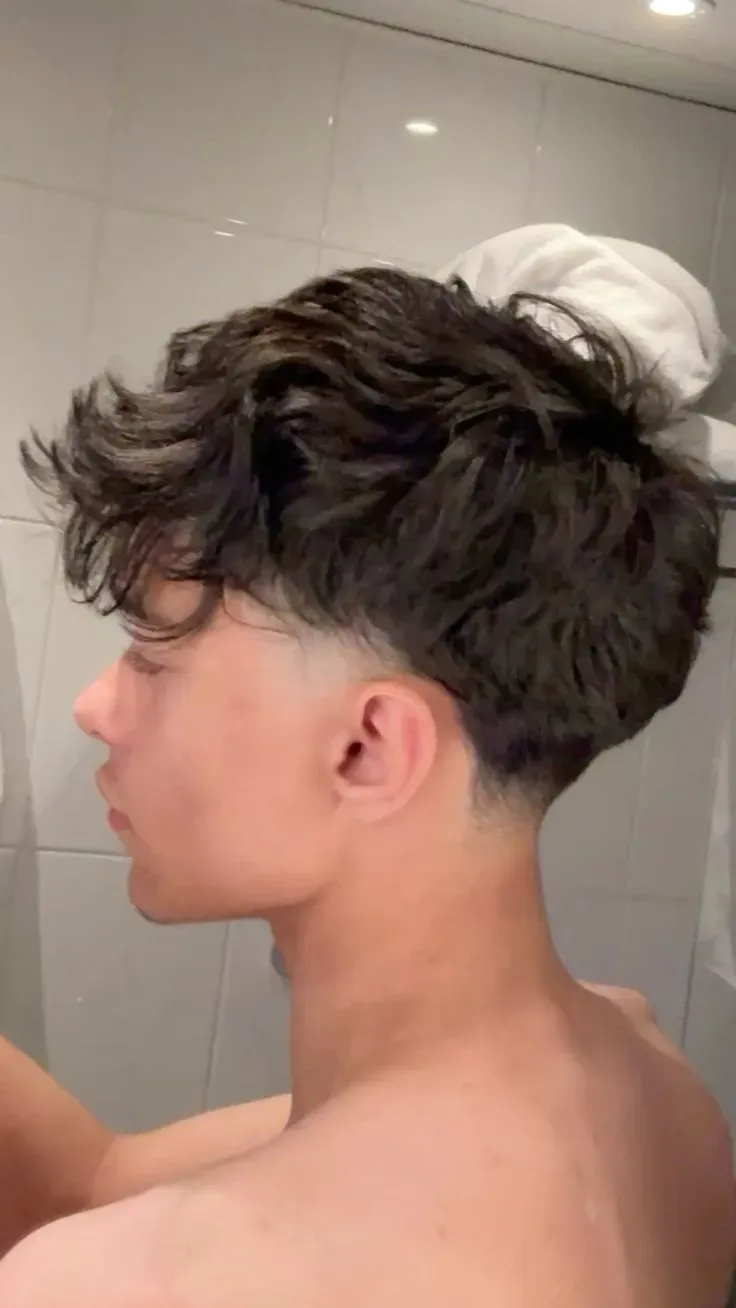
Want volume? Enter the blowout low taper fade straight hair where the top is blow-dried upward and outward for maximum airiness, while the low taper keeps the sides sharp and clean. It’s the haircut equivalent of turning up the volume knob the same song, just louder. This style adds serious height and dimension to what might otherwise be flat, lifeless straight hair.
Best for: Round face shapes (the height elongates); bold personalities who want presence.
7. Low Taper Fade Straight Hair Long (Curtains/Flow)
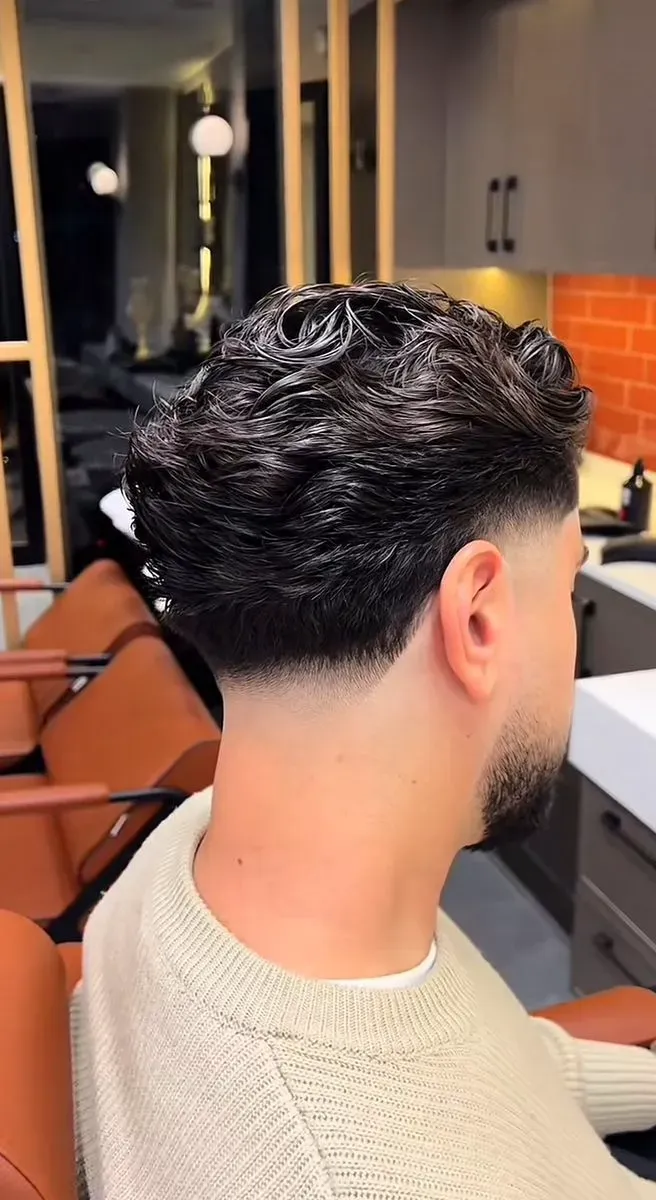
Longer than four inches? Welcome to the expressive zone. Low taper fade straight hair long variations think curtains, loose middle-parted flow, or even a relaxed slick-back are for the guys who want their hair to say something. The long top gives you movement, personality, and styling options while the low taper keeps everything anchored and intentional.
Best for: Oval and heart face shapes; casual, creative, or artistic settings.
8. Brush-Up / Quiff
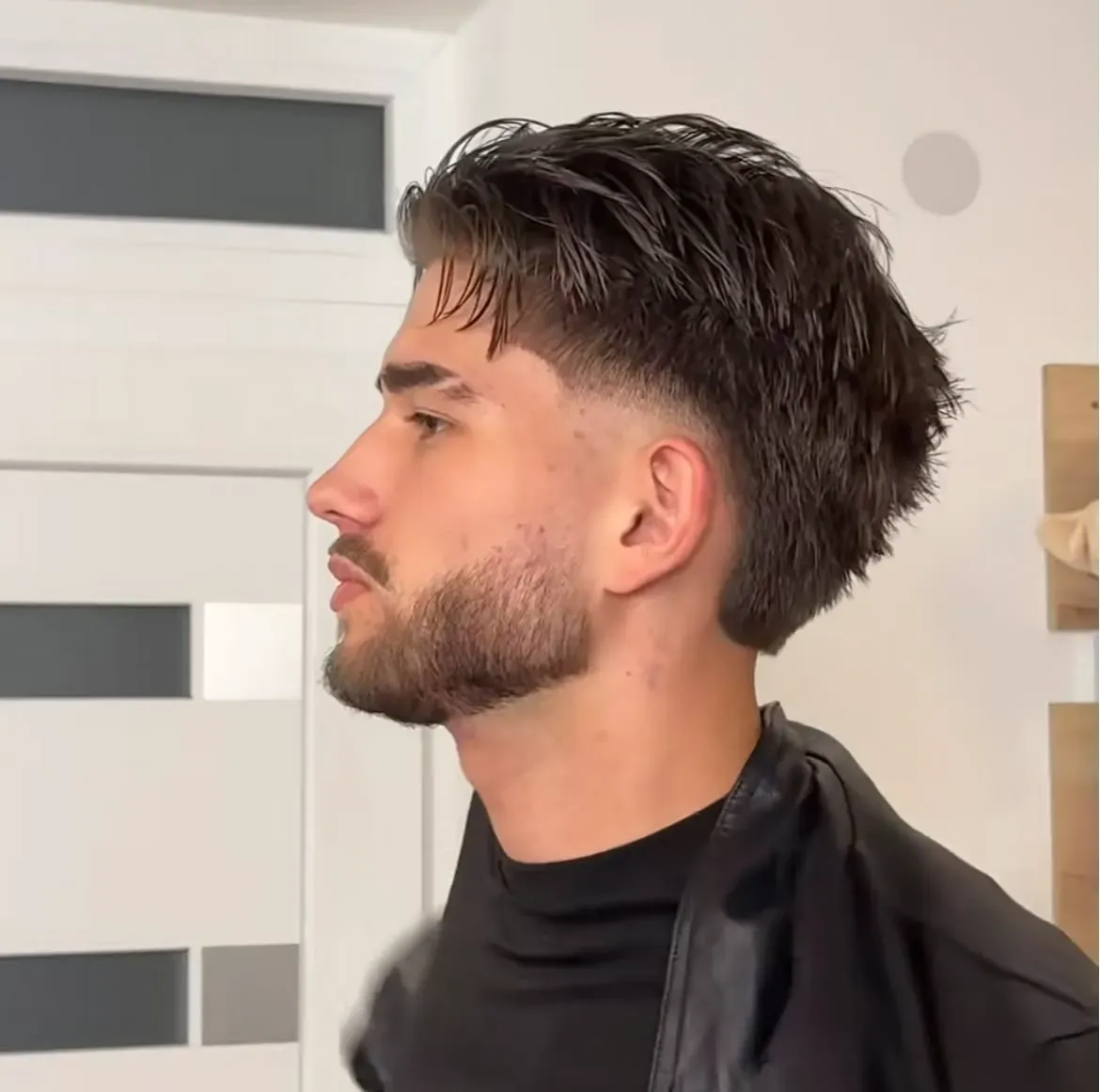
Height is the goal here. The brush-up or quiff paired with a low taper fade straight hair cut uses a stronger-hold product to push the front of the hair upward and slightly back, creating a distinctive peak. It’s confident, it’s structured, and it photographs extremely well. Works best on thicker straight hair with enough body to hold the lift without collapsing by noon.
Best for: Round face shapes (the upward lift balances width); thicker hair types.
9. Low Taper Fade Straight Hair Boys (Short Crop)
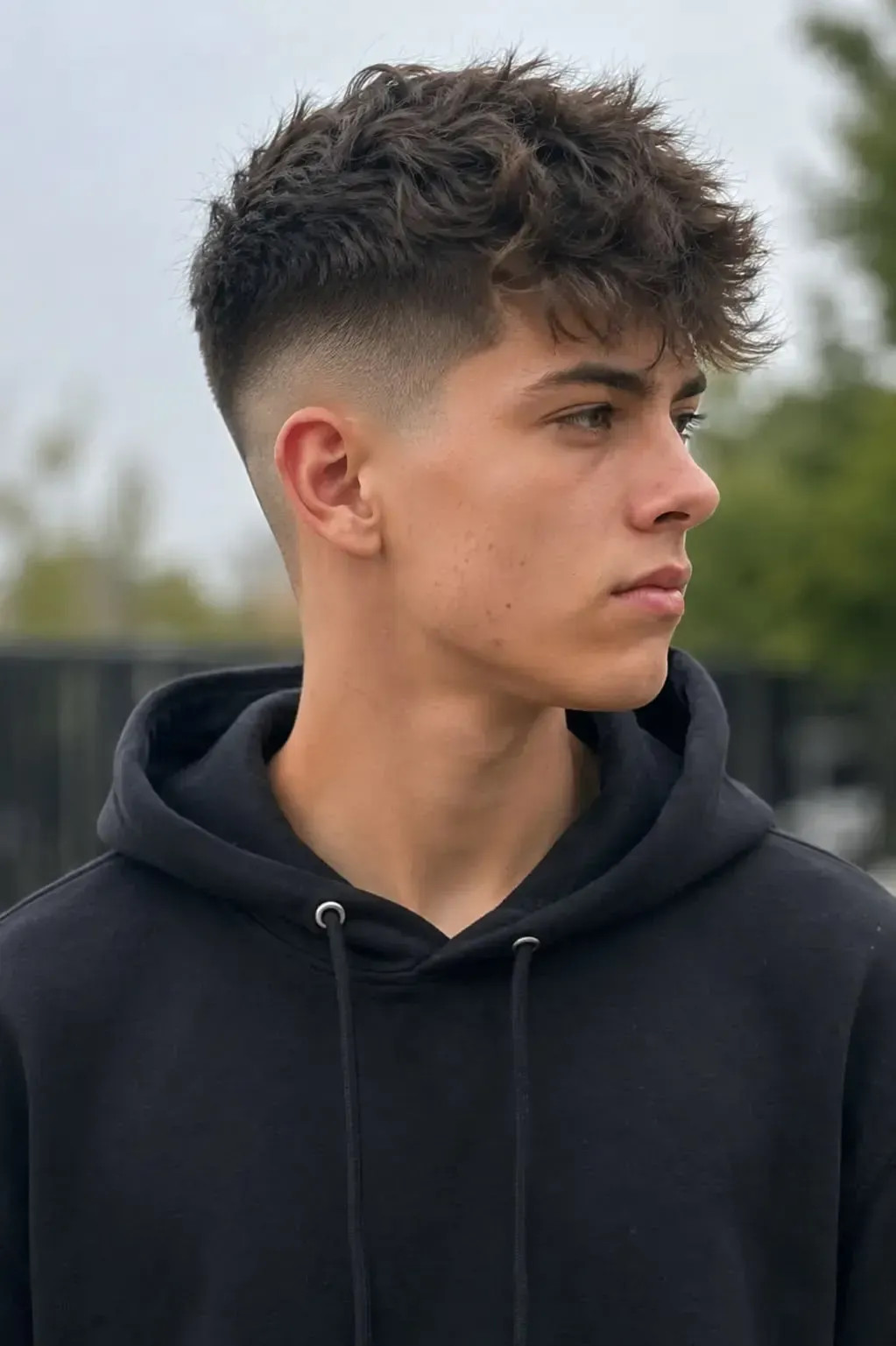
Parents this one’s for you (and for the boys reading this who want something school-appropriate but not boring). The low taper fade straight hair boys short crop keeps everything neat, clean, and fast to style in the morning. Short and flat on top, styled forward with a soft matte product, it fits dress codes without looking like a punishment. Kids love it because it looks fresh; parents love it because it requires zero effort.
Best for: School-age boys; conservative environments; fine or medium straight hair.
10. Slick Back Low Taper
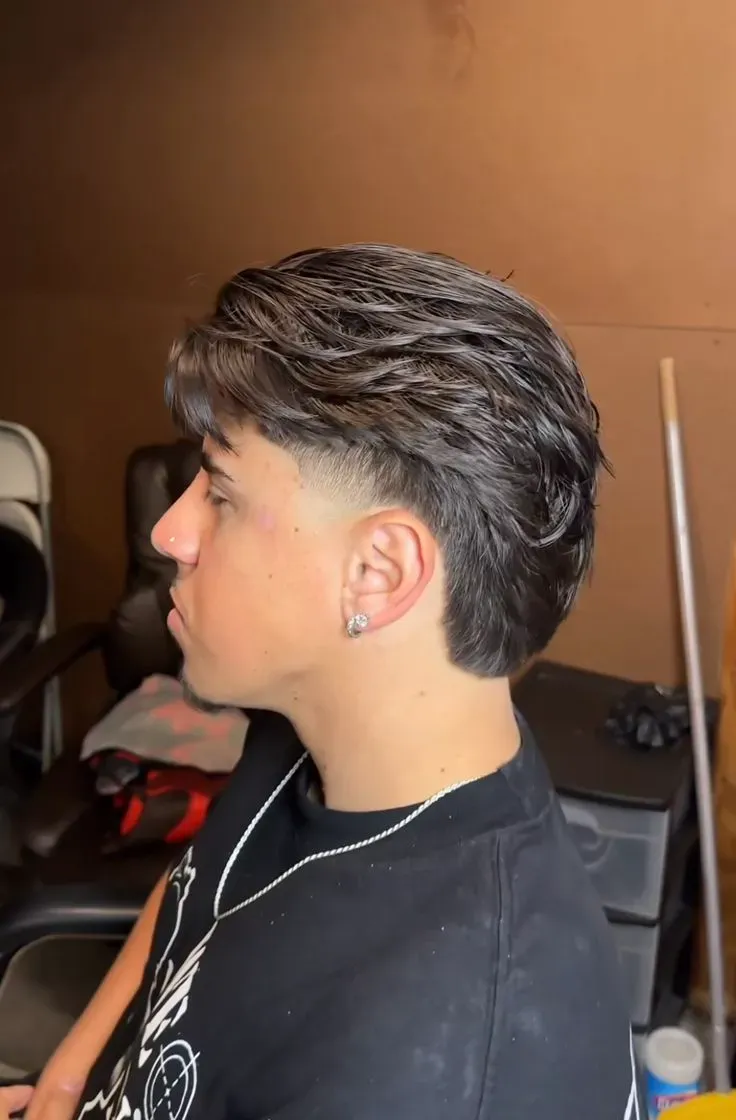
The power move. Long top, everything swept straight back, the low taper holding the sides in line the slick back on a low taper fade straight hair setup is simultaneously timeless and deeply modern. Use a medium-hold pomade or molding paste to keep it in place. This is the haircut you wear when you want to feel like the main character.
Best for: Oval, square, and diamond face shapes; any setting where you want to make an impression.
Which Face Shape Gets Which Style?
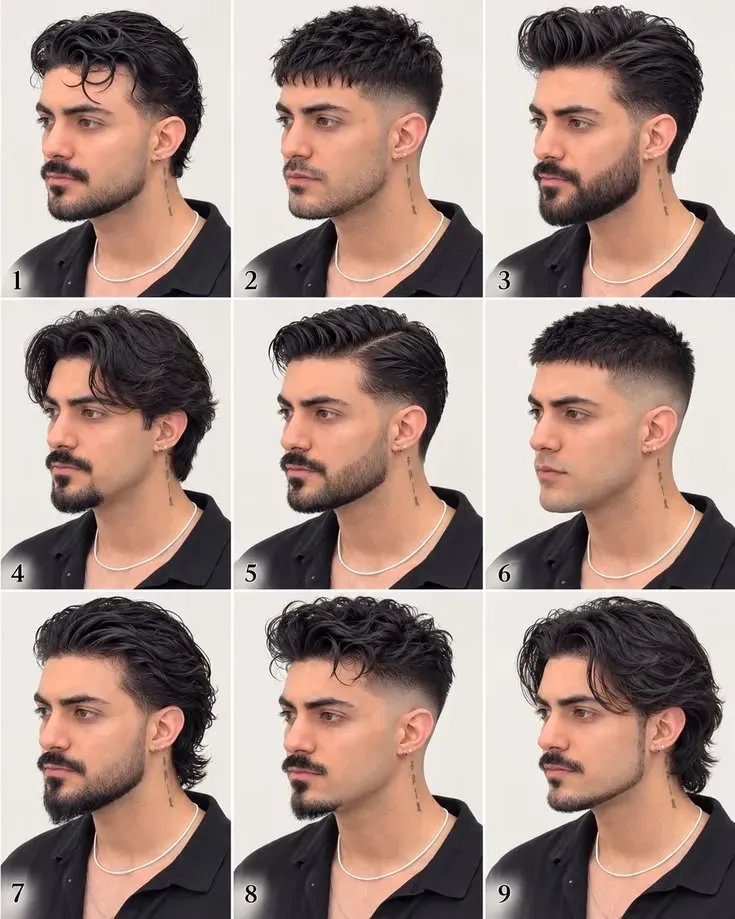
Let’s make this easy, because “just pick what looks good” is basically no advice at all.
| Face Shape | Best Styles | What to Avoid |
|---|---|---|
| Oval | Almost anything — lucky you! Try curtains, side part, brush-up | Nothing off-limits |
| Round | Quiff, brush-up, blowout, textured fringe (adds height) | Flat or middle-parted tops that add width |
| Square | Textured fringe, loose side part, curtains (softens jaw) | Boxy, flat-on-top cuts |
| Long / Oblong | Short crop, side part, medium top (avoid extra height) | Quiff, high brush-ups that elongate the face |
How to Tell Your Barber Exactly What You Want
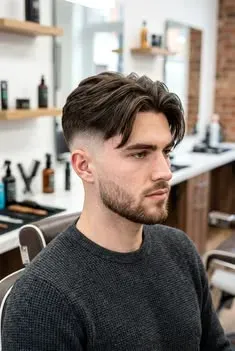
Here’s the thing: a perfect low taper fade straight hair cut lives or dies on communication. And “just make it look nice” is not communication.
Here’s a script you can literally read aloud at the barbershop:
“I’d like a low taper fade, kept low around the ears and neckline not fading up the sides. I want the blend soft and gradual, not dramatic. Leave [X inches] of length on top and add a bit of texture so it doesn’t sit flat. I’ve got straight hair, so let me know if you’d adjust anything for that.”
Pro tips:
- Bring a photo. Always. It removes all guesswork and gives you both a shared reference.
- Specify the top length in inches, not vibes. “Not too much off” means nothing.
- Ask for internal texture if your hair lies flat point cutting or light graduation during the cut builds movement in before any product.
- Mention your hair density (fine, medium, thick) so the barber chooses the right guard sizes.
Expert Insight: According to grooming professionals, the most common barbershop mistake clients make is describing the feeling they want (“something clean, something sharp”) without describing the actual dimensions of the cut. Measurements and reference photos save time, money, and disappointment.
Styling Your Low Taper Fade Straight Hair at Home
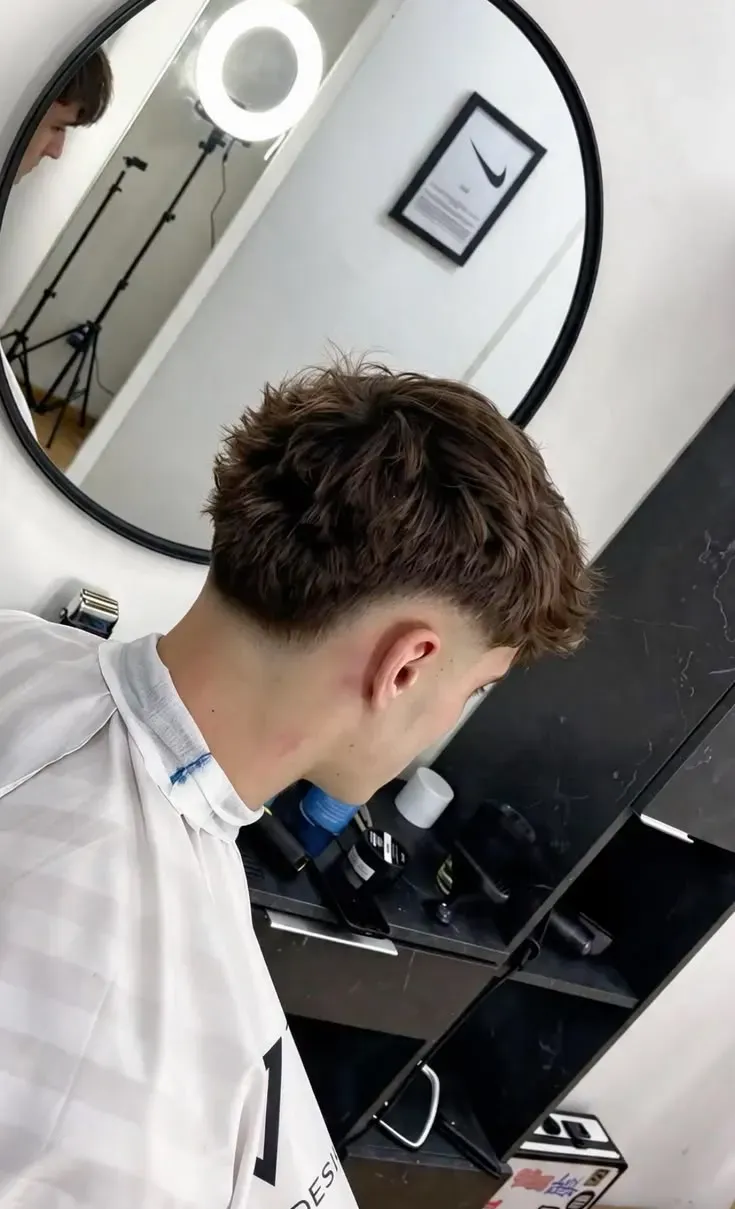
Getting the cut is only half the story. Knowing how to maintain it at home is what separates the guys who look fresh all week from the ones who look like they just rolled out of bed by Day 3.
Step-by-Step Morning Routine
Step 1: Start damp, not soaking wet.
Towel-dry after washing, or mist dry hair with a water bottle. Soaking wet hair distributes product unevenly and is harder to control.
Step 2: Blow-dry for foundation (optional but recommended for fine hair).
If your straight hair tends to sit flat and it probably does use a blow-dryer on medium heat while lifting at the roots with your fingers or a round brush. This builds volume before any product goes in. Keep the dryer moving to avoid heat damage.
Step 3: Apply product.
Start with less than you think you need. You can always add; you can’t take back. For textured or casual looks, work product through with your fingers. For a side part or anything polished, use a fine-tooth comb or styling brush.
Step 4: Shape and go.
Once the product is in, style as desired. The whole process should take 5–10 minutes, tops.
The Best Products for Low Taper Fade Straight Hair
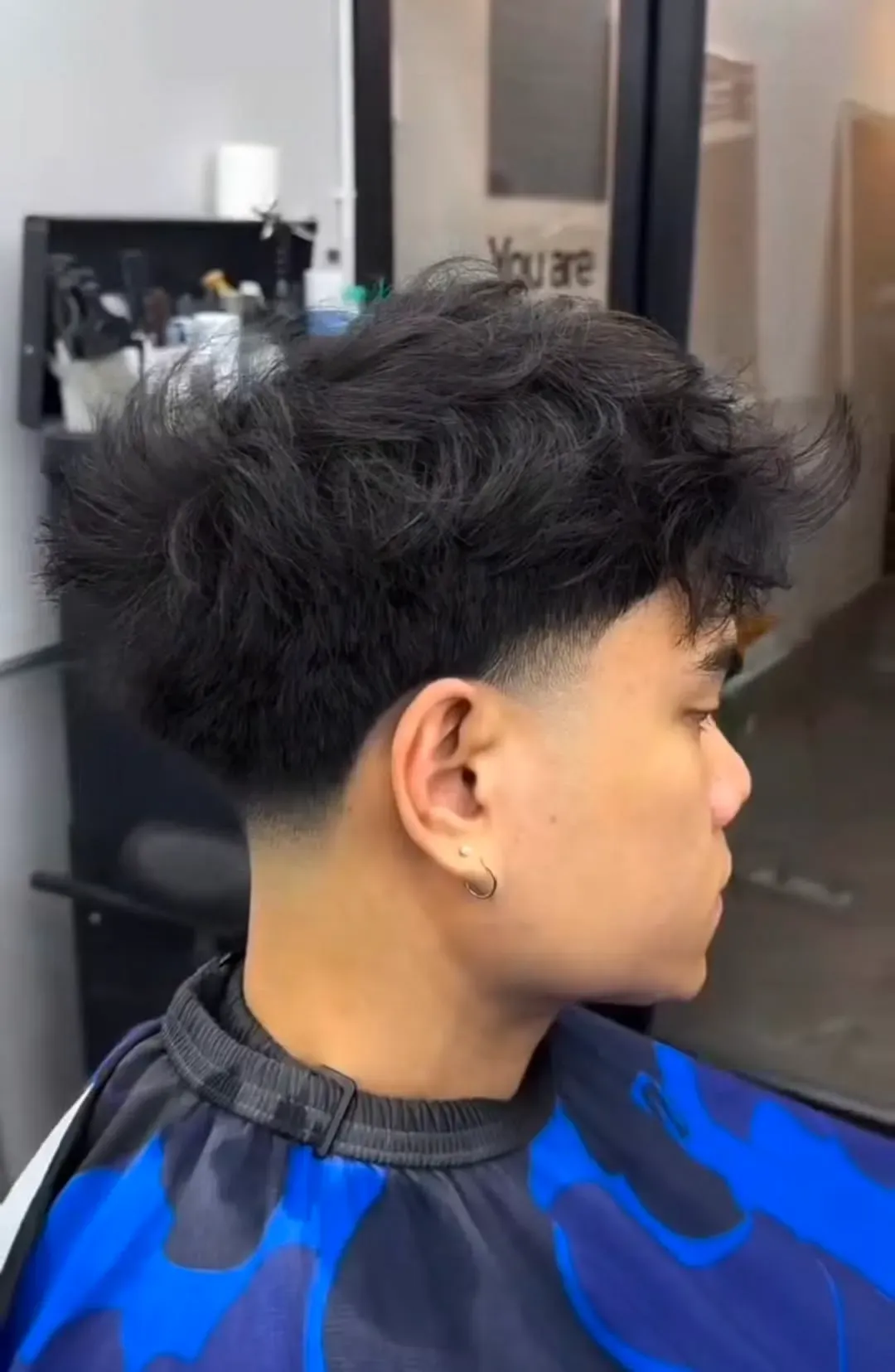
Let’s talk product because the right product can transform a good haircut into a great one, and the wrong product can ruin an expensive cut in about 30 seconds.
| Product | Best For | Finish |
|---|---|---|
| Matte Clay | Textured, casual everyday looks | Natural, non-shiny |
| Texture Powder | Fine or flat hair needing lift | Invisible, volumizing |
| Sea Salt Spray | Medium-to-long tops, beachy movement | Slightly undone |
| Water-Based Pomade | Side parts, brush-backs | Low-to-medium shine |
| Styling Cream | Thicker hair, smoothing and softening | Soft, natural |
What to avoid: Heavy waxes and oil-based pomades, especially on fine straight hair. They flatten strands and look greasy by midday the exact opposite of what you’re going for with a low taper fade straight hair cut.
Expert Insight from Forte Series grooming experts: For straight hair specifically, texture clay is the most versatile all-rounder it delivers medium hold with a natural matte finish that suits everything from textured crops to casual side parts. Start with a pea-sized amount on slightly damp hair for best results.
How to Maintain Your Low Taper Fade Straight Hair
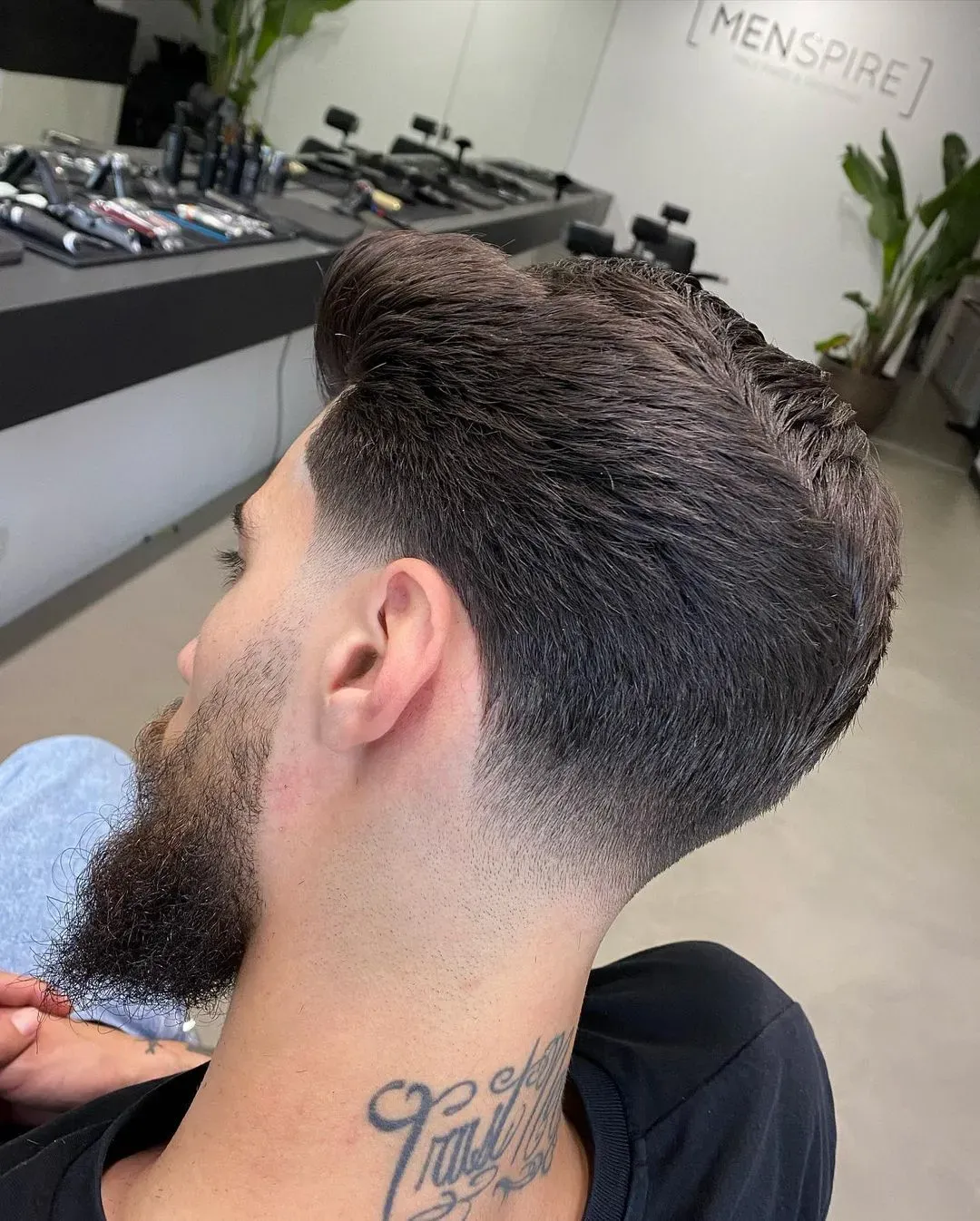
A low taper fade straight hair cut looks its absolute best in the first week or two post-barbershop. Here’s how to keep it looking sharp as long as possible.
Barber Schedule: Every 3–4 Weeks
The fade around the ears and neckline grows out faster than the top and once it blurs, the whole look softens. Waiting 6–8 weeks means you’re only enjoying the cut for half the time between visits. Three to four weeks is the sweet spot for keeping things crisp.
Between-Visit Touch-Ups
If your neckline gets fuzzy between visits, a careful cleanup along the natural neckline with a trimmer is acceptable stick to the neckline only. Do not attempt to re-blend the fade yourself. That takes professional clipper technique and guard changes, and home attempts almost always result in uneven patches that your barber will sigh at.
Washing Schedule
Wash every 2–3 days rather than daily. Daily washing strips natural oils and can flatten fine straight hair further. Use a light conditioner on mid-lengths and ends, not the roots (where it adds unwanted weight). Once a week, use a clarifying shampoo to clear product buildup that otherwise leaves hair dull and limp.
Common Mistakes to Avoid with Low Taper Fade Straight Hair
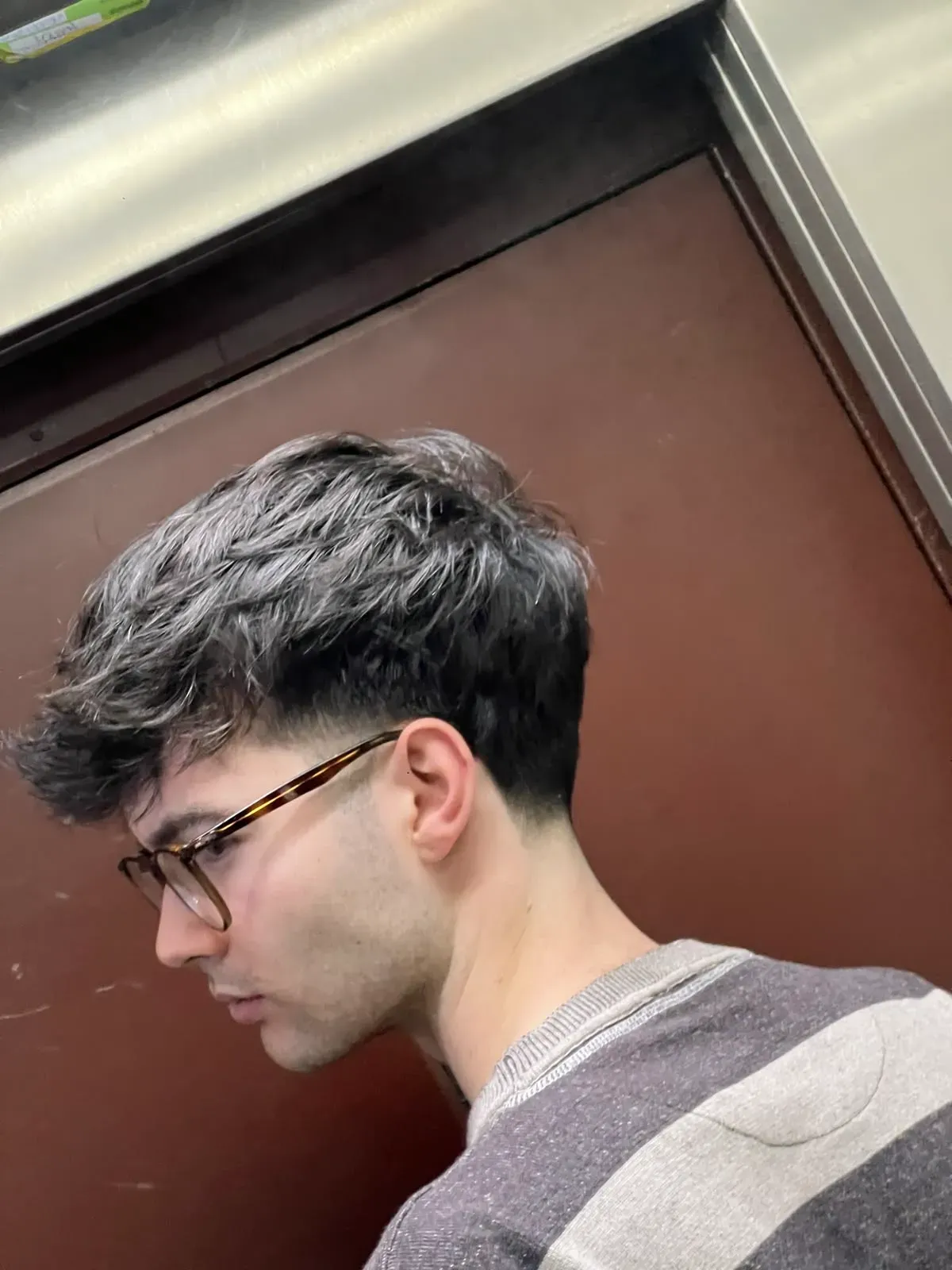
Even the best cut can go sideways with the wrong choices. Here are the most common pitfalls:
Asking for the fade too high A low taper should sit close to the ear and neckline. If the barber starts fading above the temple, that’s a mid or high taper, not a low one. Speak up.
Leaving the top too flat Straight hair lies flat naturally. Ask for internal texture and use products that add body, not weight.
Using too much product More product rarely means more hold. It usually means more grease. A small amount applied well beats a large amount slapped in carelessly.
Vague length descriptions “Not too short” is meaningless. Specify in inches.
Picking a style that fights your face shape A brush-up on an already long face, or a flat crop on a round one. Know your face shape (the table above helps).
Waiting too long between trims A six-week-old low taper is barely a low taper anymore. It’s just… hair.
Why the Low Taper Fade Straight Hair Is Having Its Moment in 2026
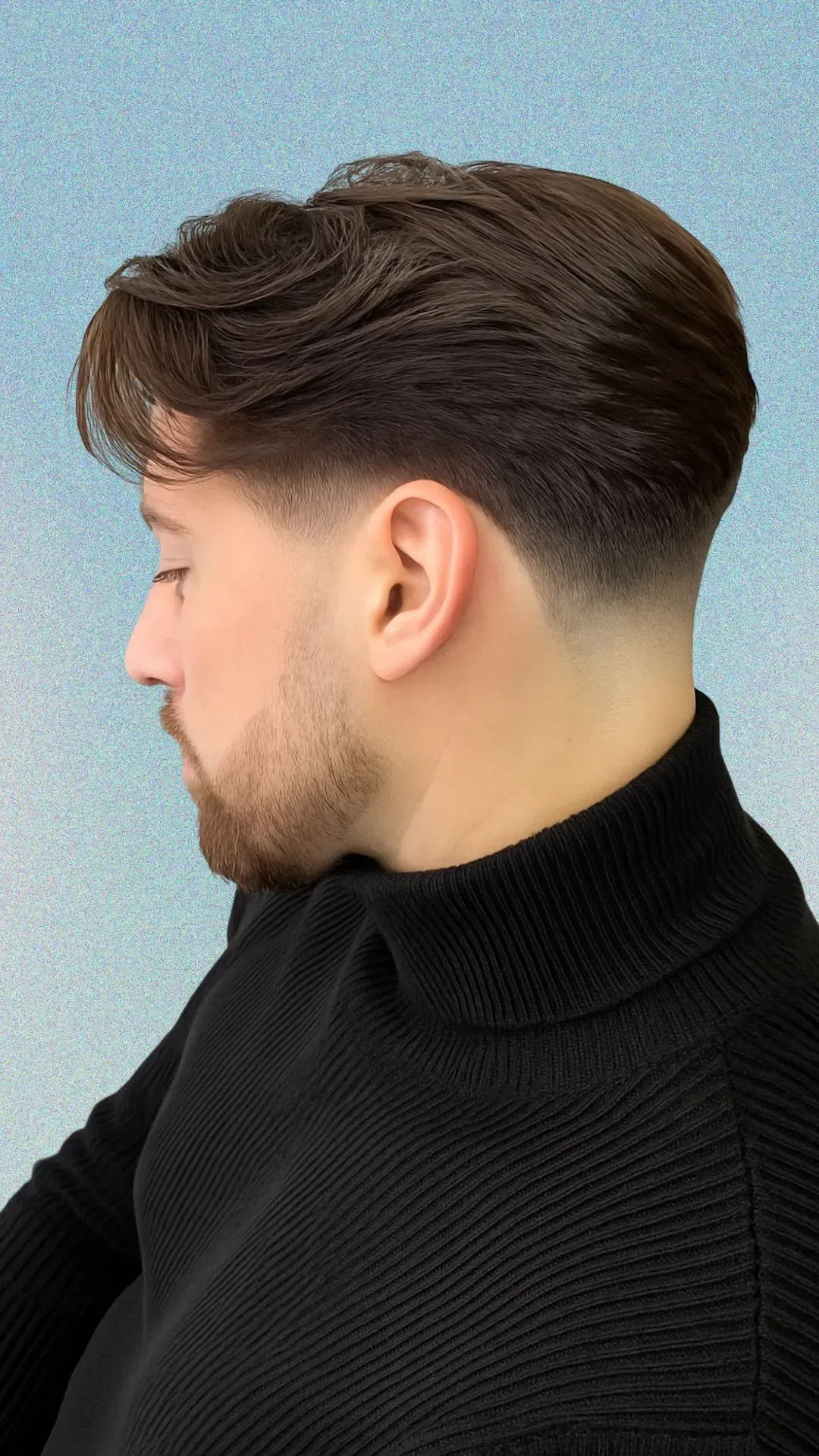
We’re not just saying it’s popular the numbers back it up. According to barbershop industry research, men’s fade haircuts account for a significant portion of all barbershop services globally, with taper variations consistently ranking among the top requested styles. The trend in 2025–2026 has been a clear shift toward softer, more natural-looking blends over aggressive high-contrast shaves and the low taper fade straight hair male cut is perfectly positioned at the center of that movement.
It works across age groups (from low taper fade straight hair boys barely in their teens to men well into their 40s), across dress codes (boardroom to beach), and across hair densities. Thick, dense straight hair? The low taper removes bulk gradually and creates a balanced silhouette. Fine straight hair? The cut adds the illusion of structure without exposing the scalp. It’s genuinely one of the most democratically flattering men’s haircuts ever popularized.
Read Also: Haircuts For Curly Hair Boys
Conclusion
The low taper fade straight hair cut is a stylish, versatile, and low-maintenance choice for men. Whether you prefer a textured crop, French crop, or blowout, it offers a clean look that suits different personalities and occasions.
Choose a style that matches your face shape, show your barber a reference photo, and get regular trims every 3–4 weeks. With the right styling products, your low taper fade straight hair male look will always stay fresh and sharp.
Frequently Asked Questions
Q1. Is a low taper fade good for straight hair?
Yes! Straight hair shows the blend extremely clearly because the uniform strands highlight every length change making the fade look sharper and more defined than on almost any other hair type.
Q2. How often should I visit the barber for a low taper fade?
Every 3–4 weeks is ideal. The neckline and ear area grow out quickly and blur the fade first waiting longer than a month means your cut spends more time grown out than fresh.
Q3. What product is best for low taper fade straight hair?
Matte clay is the most versatile all-rounder for straight hair it gives medium hold with a natural, non-greasy finish. Texture powder works great for fine hair that needs lift, and sea salt spray adds movement to longer tops.
Q4. Can boys and teens get a low taper fade on straight hair?
Absolutely. The short crop or textured fringe variation is perfect for low taper fade straight hair boys school-appropriate, easy to maintain, and genuinely sharp-looking without going overboard.
Q5. What’s the difference between a low taper fade and a regular low fade?
A low taper is softer it blends gradually near the ears and neckline while keeping the sides fuller. A low fade fades closer to the skin for bolder contrast. If you want clean but not aggressive, go with the low taper.
Explore more fun blogs at: Trysimpledesign
